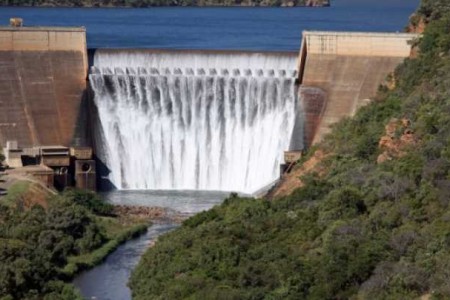
A research team, which includes two International Water Management Institute (IWMI) scientists, have published a study that shows a correlation between incidences of malaria and proximity to large dams in sub-Saharan Africa.
A massive push has seen hydropower projects cropping up all over the African continent. Touted as a way of producing lots of cheap green energy for developing nations, they’re often met with controversy. From the eviction of tribal communities from their ancestral lands to doubts about their eco-friendly credentials, a new study has picked up another issue to add to the list. Researchers have found that living next to a dam in sub-Saharan Africa could increase one's risk of contracting malaria.
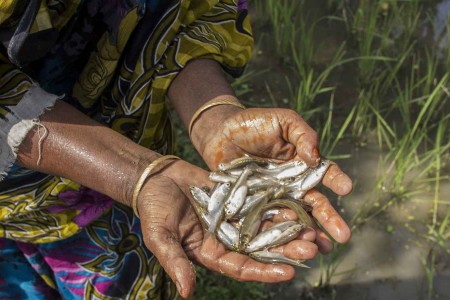
Many women in Kazakhstan are cut-off from opportunities to generate income and make decisions. But one factor can make a difference in a woman’s ability to capitalize on the resources available to her: Access to markets.
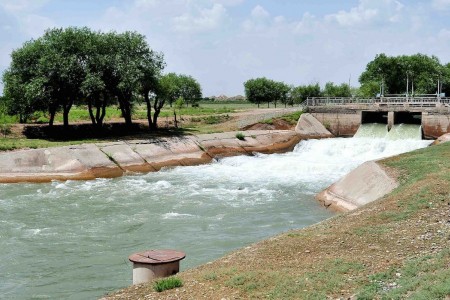
The Kazakhstan portion of the Aral-Syrdarya watershed faces various challenges: Downstream water users are affected by the high concentration of pesticides, sediments and sewage carried in the river water from upstream areas.
A landmark report by the High Level Panel of Experts (HLPE) for the UN Committee on World Food Security (CFS) argues that access to water is a vital aspect of ensuring improved food security and nutrition.
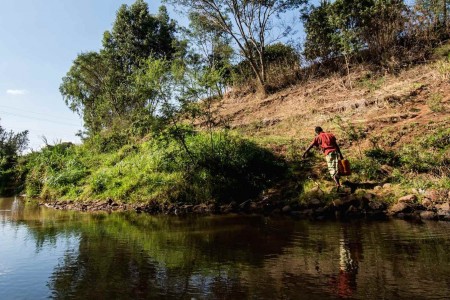
Degraded soils are a reality that we face today. In her post, Smith talks about the thriving construction industry in the hills of Kenya’s Upper Tana watershed and its impact on the environment.
An IWMI short film, Underground Taming of Floods for Irrigation (UTFI), is a backlisted video winner in a film competition about how to prevent flooding.
The county capital of Wajir in northeast Kenya lacks clean drinking water and has no suitable source of water nearby. That's why the Kenyan government plans to tap into an important groundwater body, the Merti aquifer.
In the development of hydropower schemes, local populations are sometimes displaced or relocated in order to make room for dam infrastructure and reservoirs.