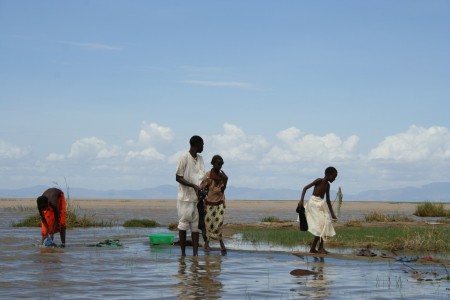
The phrase ‘water crisis’ often evokes images of drought or flood but a new study by the IFPRI and Veolia has highlighted a different water crisis: deteriorating water quality.
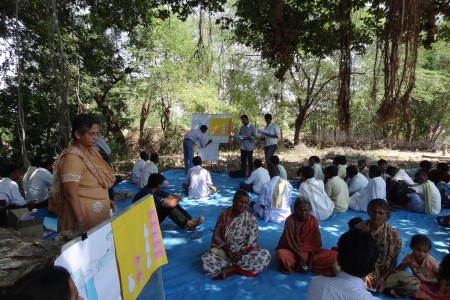
Last year, villagers in India and Colombia used experimental games to practice working together and to develop strategies to manage water resources more effectively.
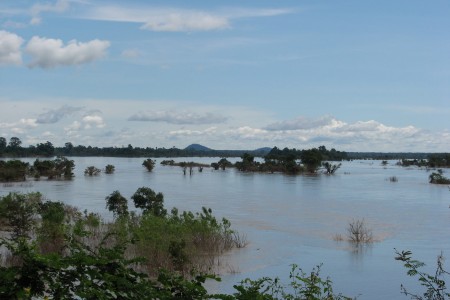
One-third of the world's terrain is considered flood prone; this land also houses 82 percent of the global population. Floods can destroy crops, lives and infrastructure, cause massive displacement of communities and disrupt access to drinking water.
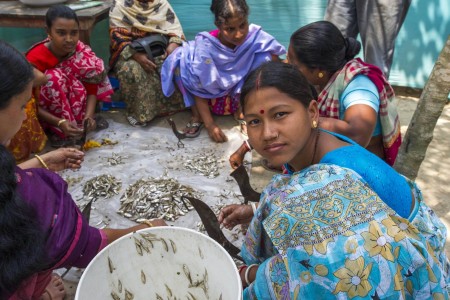
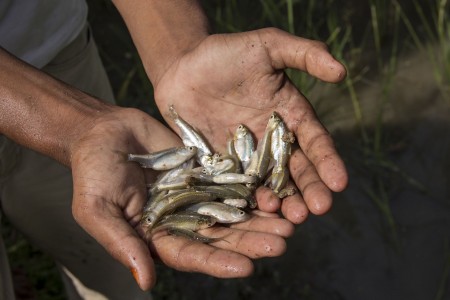
To better manage floodplain fisheries and alleviate the poverty of communities living around these rich ecosystems, scientists worked with fishing co-operatives for improved fisheries management.
The floodplains of Bangladesh are a highly valued resource for the millions of farmers and fishers who rely on them for both sustenance and income. But what if the floodplains could be managed in a way that engendered more equitable communities and resilient ecosystems?
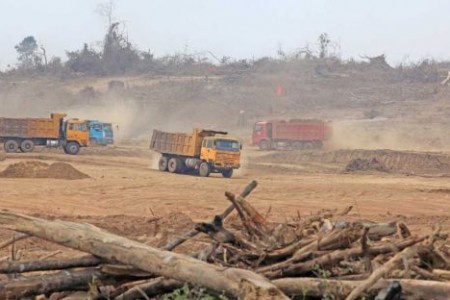
The European Union has offered to fund a study of the Lower Sesan II dam’s impact on fisheries. Jean-François Cautain, EU ambassador, said the bloc had told the Fisheries Administration that it was willing to fund a study of the controversial dam’s impact following a meeting on Monday with Minister of Mines and Energy Suy Sem.