From IWMI: Celebrating World Water Day with a blog post from our DG, a PLoS ONE journal submission, contributions to the World Water Development Report and a new video.
Much time, money and energy has been put into trialing greywater treatment technology in Jordan, but success rates are low. What can be learned from the work that has already been done to spread the use of the technology, both in Jordan and in Egypt?
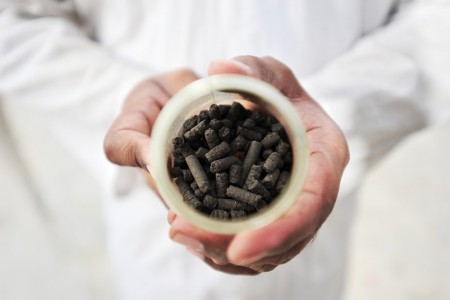
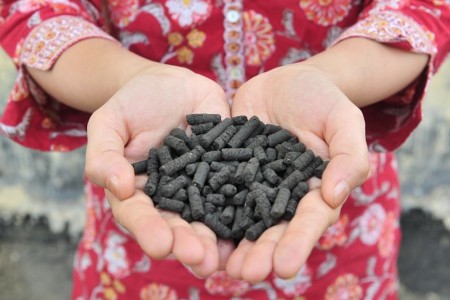
A new agreement between the Ministry of Agriculture in Sri Lanka and the International Water Management Institute will help develop initiatives to improve waste-derived compost using nutrient enrichment and pelletizing technologies.
Co-composting of organic waste and fecal sludge and can create value in terms of waste treatment savings, improved sanitation, soil rehabilitation, and job opportunities.
Pay Drechsel, lead of the IWMI's Resource Recovery, Water Quality and Health research theme and co-lead on WLE's Recovering and Reusing Resources in Urbanized Ecosystems research theme, has won the 2015 IWA Development Award for his work on wastewater and resource re-use in agriculture.
WLE’s Resource Recovery and Reuse (RRR) program is striving to reduce urbanization’s negative footprint on ecosystems by safely converting human waste into a resource that benefits farmers, improves sanitation, and generates new business opportunities.
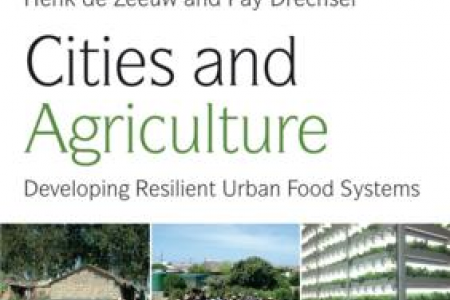
Food production globally is taking on an increasingly urban flavor, according to a new study that finds 456 million hectares is under cultivation in and around the world’s cities, challenging the rural orientation of most agriculture research and development work.
The International Water Management Institute launched a book summarizing a decade of research on irrigated urban and peri-urban vegetable production and safe wastewater reuse in Ghana.