AQUASTAT, FAO’s global water information system, and WLE are collaborating to collect, analyze and validate the best available data on municipal wastewater production, collection, treatment, discharge and direct use for irrigation purposes.
This training handbook, published by the FAO, is a field guide for training urban and peri-urban vegetable farmers in safe practices when using wastewater in vegetable production.
The first meeting of the Water Land and Ecosystems Resource Recovery & Reuse (RRR) research theme took place on 25-26 April, 2012, in Colombo, Sri Lanka.
Humans generate millions of tons of solid and liquid waste every day. The waste is rich in energy, water, nutrients and organic compounds vital for plant growth.
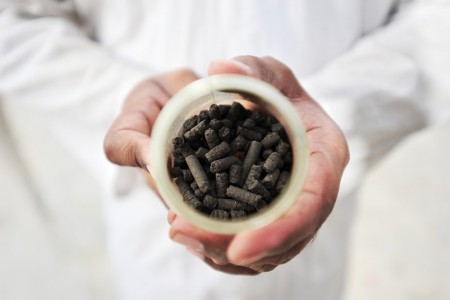
Scientists are influencing sanitation policies in South Asia and demonstrating composting technology to turn human fecal sludge into fertilizer pellets for agricultural use. Their work presents solutions for a growing global sanitation problem.
It chokes rivers and can pose serious risks to human health. But wastewater could be key for urban planners seeking to make cities of the future more sustainable, according to scientists, including several researchers at the International Water Management Institute.