Diversity in land use can support ecosystem services such as biological pest control and reduce the need for insecticides. How can such a system be applied in China where land is precious and the predominate focus has been on increasing productivity through use of insecticides and other chemicals.
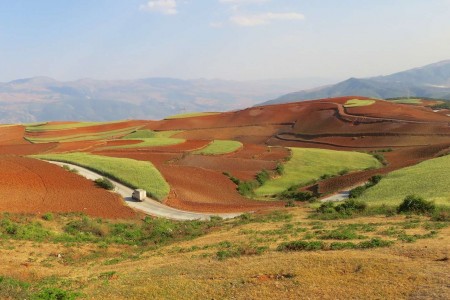
Pastoral land covers 400 million hectares of China, 41.7% of the entire country. Much of it is semi-arid and high plateau land where China’s ethnic minorities live, traditionally using the land to produce meat, fur, wool and cashmere. Over the past century, increasing pressure from human and livestock populations has resulted in 90% of the pastoral land being classified as degraded to some degree, especially in the more arid regions where ecosystems are the most fragile.
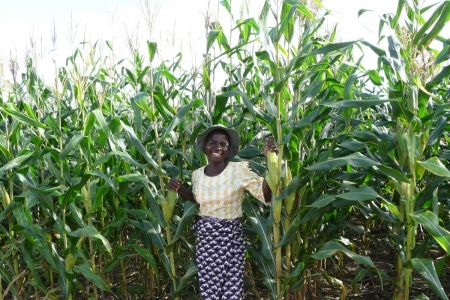
The Chinyanja Triangle has the potential to be a bread basket in southern Africa. Solutions exist but will take innovative technical work and buy in from tribal chiefs and local communities.
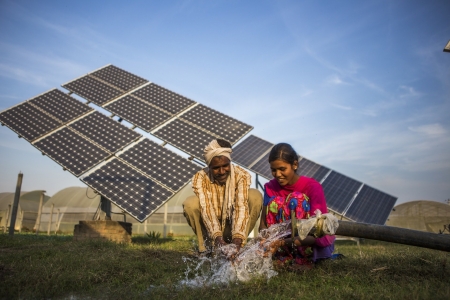
In Karnataka state in arid southwest India, the local electric company is required to buy back surplus solar power from farmers. The buyback policy, signed by Karnataka’s governor last September, is consistent with recommendations by scientists at the International Water Management Institute to treat solar power as a ‘cash crop.’
The Sri Lanka Water Resources Information System provides maps and data on water availability, quality and use, and is an archive of more than 700 water-related scientific papers that can be downloaded.
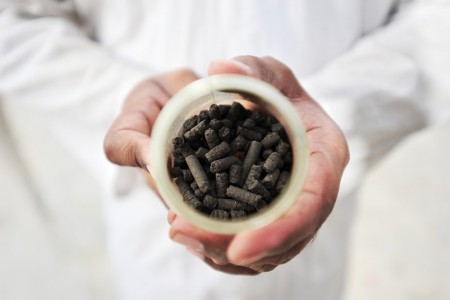
Scientists are influencing sanitation policies in South Asia and demonstrating composting technology to turn human fecal sludge into fertilizer pellets for agricultural use. Their work presents solutions for a growing global sanitation problem.
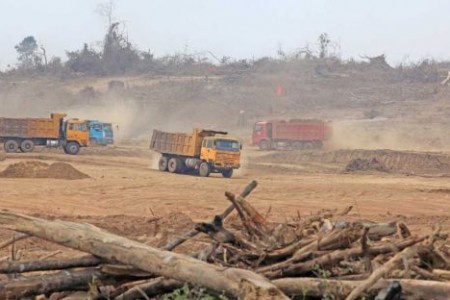
The European Union has offered to fund a study of the Lower Sesan II dam’s impact on fisheries. Jean-François Cautain, EU ambassador, said the bloc had told the Fisheries Administration that it was willing to fund a study of the controversial dam’s impact following a meeting on Monday with Minister of Mines and Energy Suy Sem.
It chokes rivers and can pose serious risks to human health. But wastewater could be key for urban planners seeking to make cities of the future more sustainable, according to scientists, including several researchers at the International Water Management Institute.