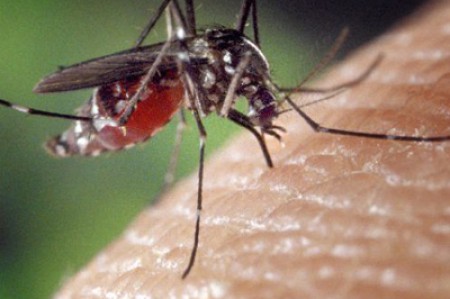
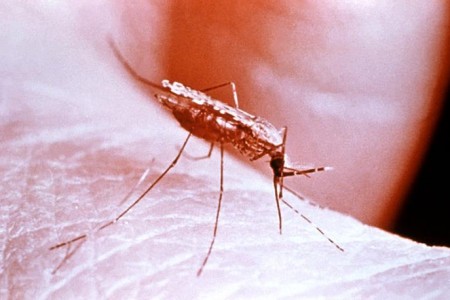
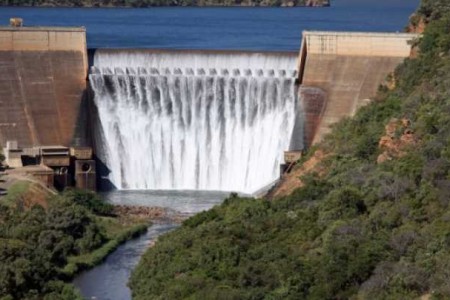
One million Africans will catch malaria this year because they live near a large dam and, at a time of booming dam construction on the continent, greater efforts must be made to protect people from the killer disease, a study in Malaria Journal said.
JOHANNESBURG: Over one million people in sub-Saharan Africa contract malaria annually because they live near a large dam - a number which is over four times greater than previously estimated, according to a new study. The study has for the first time correlated the location of large dams with the incidence of malaria and quantified impacts across the region.
For decades there has been a demonstrable connection between dams in Africa and an increase in the parasitic disease, schistosomiasis. Now, South African and Australian researchers correlate the location of large dams with the incidence of malaria in a newly published study in the Malaria Journal this month. In addition, the study finds that construction of an expected 78 major new dams in sub-Saharan Africa over the next few years will lead to an additional 56,000 malaria cases annually.
A research team, which includes two International Water Management Institute (IWMI) scientists, have published a study that shows a correlation between incidences of malaria and proximity to large dams in sub-Saharan Africa.
A massive push has seen hydropower projects cropping up all over the African continent. Touted as a way of producing lots of cheap green energy for developing nations, they’re often met with controversy. From the eviction of tribal communities from their ancestral lands to doubts about their eco-friendly credentials, a new study has picked up another issue to add to the list. Researchers have found that living next to a dam in sub-Saharan Africa could increase one's risk of contracting malaria.
An interview with Dr. Oliver Springate-Baginski, lecturer at the University of East Anglia and lead on a WLE Greater Mekong project based in Kachin state, Myanmar.
After three years as Program Director, Andrew Noble is leaving WLE and moving to the International Center for Agricultural Research in the Dry Areas (ICARDA) as their Deputy Director General.
Many women in Kazakhstan are cut-off from opportunities to generate income and make decisions. But one factor can make a difference in a woman’s ability to capitalize on the resources available to her: Access to markets.
Irrigation schemes in Southern Africa have an astounding rate of failure. A new report, released by the International Water Management Institute (IWMI), looks why this is and what factors need to be in place to make these developments successful.The report was produced as a result of the project, Enhanced Regional Food security through increased agricultural productivity to sustainably reduce hunger, which was supported by USAID and WLE.