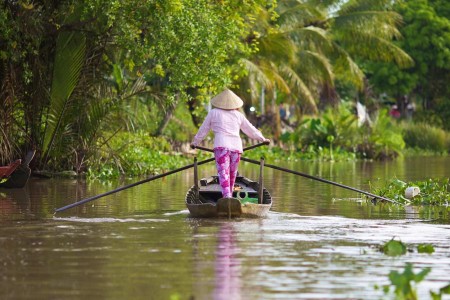
Preliminary findings from a soon-to-be released comprehensive report have reinforced dismal projections for the future of Cambodia’s fisheries if 11 planned mainstream hydropower dams are built on the Mekong River.
Pay Drechsel, lead of the IWMI's Resource Recovery, Water Quality and Health research theme and co-lead on WLE's Recovering and Reusing Resources in Urbanized Ecosystems research theme, has won the 2015 IWA Development Award for his work on wastewater and resource re-use in agriculture.
Water Resources Minister Barrister Anisul Islam Mahmud on Tuesday stressed redesigning embankments to protect the country's coastal region from salinity intrusion caused by sea-level rise, reports UNB. "Climate change is going to reclaim one-third of our coastal land by 2050. So, we should redesign our embankments and dredge rivers."
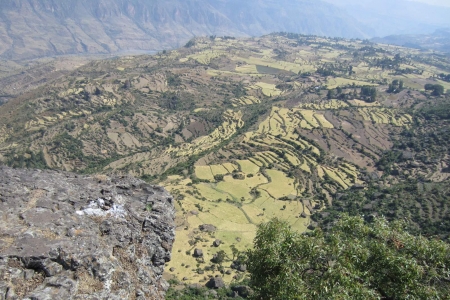
Community-led initiatives in the Yewol mountains in Ethiopia are successfully countering severe soil erosion, extreme weather and water scarcity to the benefit of farmers and the environment
The set of complex problems that WLE addresses in relation to sustainable intensification calls for new institutional arrangements and partnerships in order to catalyze innovation and widespread change.
WLE operates under the assumption that giving women equal access and opportunity to participate in agricultural development will be essential to enacting sustainable agricultural intensification.
Sustainability has moved to the forefront of global development, and the recognition that development hinges on sustainable use of planetary resources has never been greater than now. WLE is taking advantage of this recognition and the new opportunities that it brings.
The Four Basin Gender Profiles project (4BGP) set out to try and map the kinds of information currently openly available on a range of topics related to water management and agriculture in four river basins: The Ganges, Nile, Volta and Mekong.
Researchers are sharing their experiences related to ecosystem services in global policy dialogue through the Intergovernmental Platform on Biodiversity and Ecosystem Services (IPBES).
Drones, or unmanned aerial vehicles (UAVs), are no longer a thing of the future. From their perspective high in the sky, these hovering insect-like machines grant researchers new and valuable insights on how crops evolve across landscapes and over time.