Saturday, 5 December from 17.15 to 18.45: The role of tenure security in providing incentives for sustainable resource management and restoration is well established. However, much of the policy attention has been on securing individual lands, which make up only part of the landscape mosaic. This session will present research on the importance of the commons for addressing climate change and land degradation, the challenges and potential ways of securing tenure on the commons, and the perspective of civil society. Ruth Meinzen-Dick of IFPRI is one of the speakers.
Sunday, 6 December from 9.00 to 10.30: CIAT is co-hosting a session which follows up on Initiative 20×20 that was launched at last year's GLF, which is a country-led effort to bring 20 million hectares of degraded lands into the process of restoration in Latin America and the Caribbean by 2020.
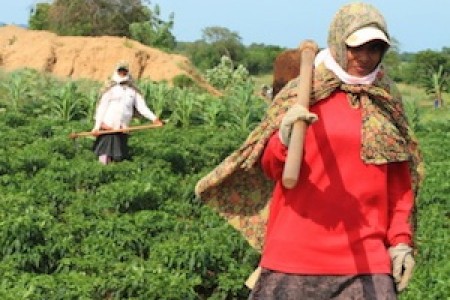
As a shifting climate and economic development make agricultural-based livelihoods increasingly less viable, men are migrating from rural areas in search of employment, while women are usually left behind.
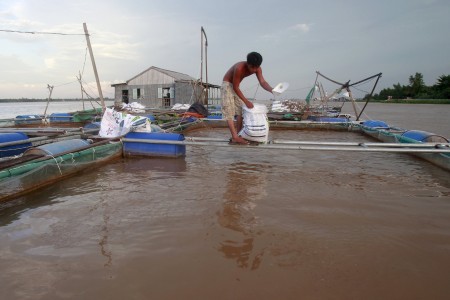
Saturday, 5 December from 17.15 to 18.45: co-hosted by WLE, SIWI, and CIFOR, this session will look at agricultural intensification as a main driver of rural landscape change. Learn how the full integration of the benefits of water and forested landscapes in the Sustainable Development Goals (SDGs) is both desirable and feasible.
WLE will host a Youth Forum Challenge on landscape restoration as part of the Youth in Landscapes Initiative, which will ask youth to engage in defining innovative tools for data development and pitch these tools to a dragons den of experts on Sunday 6 December from 14:30 to 16:00. The session will build on WLE's Four Basin Gender Profiles (4BGP) project.
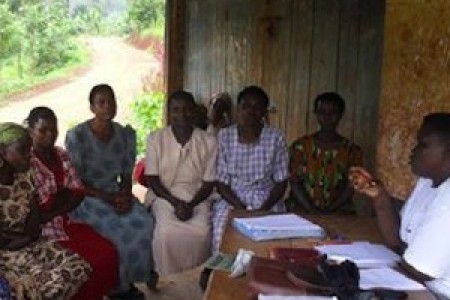
Sunday, 6 December from 11.30 to 13.00: WLE, in collaboration with IFPRI and CIAT, is organizing a high-level panel on gender, landscapes and land-tenure. The dialogue will focus on the practical requirements for implementing gender-sensitive land restoration while moving beyond the usual rhetoric on gender issues and laying to rest exaggerated gender statistic.
New research sheds light on gender differences in perceptions of climate change and that men and women have different preferences, needs, and priorities for the ways in which they respond to climate change.
Addressing the root causes of sediment problems and soil erosion around Lake Tana, source of the Blue Nile and largest lake in Ethiopia, is paramount for the conservation of natural resources and ecosystem services.
This event explored the impacts of water scarcity in the NENA region, and the role institutions can play in giving women more rights to land and water as well as opportunities to exercise these rights.