Untreated wastewater from cities is used to irrigate 50 percent more farmland worldwide than previously thought, leaving some 885 million people exposed to the risk of diseases, including diarrhoea and cholera, a study said on Wednesday.
Untreated wastewater from cities is used to irrigate 50 per cent more farmland worldwide than previously thought, leaving some 885 million people exposed to the risk of diseases, including diarrhoea and cholera, a study said on Wednesday.
ROME, July 5 (Thomson Reuters Foundation) - Untreated wastewater from cities is used to irrigate 50 percent more farmland worldwide than previously thought, leaving some 885 million people exposed to the risk of diseases, including diarrhoea and cholera, a study said on Wednesday.
From phys.org: The use of untreated wastewater from cities to irrigate crops downstream is 50 percent more widespread than previously thought, according to a new study published this week in the journal Environmental Research Letters.
Clean water supplies are dwindling around the globe. To grow their crops, farmers resort to using untreated wastewater, which could make them sick - to an even greater extent than previously thought, a study finds.
The global use of untreated wastewater from cities to irrigate crops is much more widespread than previously estimated, says a new report. According to this updated assessment, nearly 30 million hectares are now using untreated water within 40km of an urban centre.
In many parts of the world, the use of untreated wastewater for irrigation is more common than originally thought, exposing 884 million consumers to health risks. The study calls for urgent investment in improved sanitation and management.
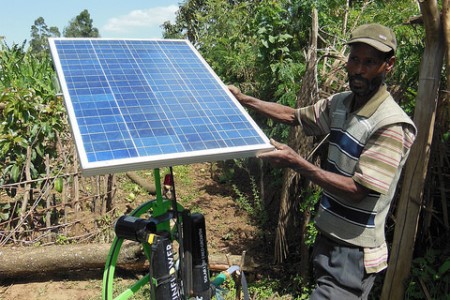
In the first phase of the Africa RISING project in the Ethiopian highlands, IWMI investigated technologies that could improve farmers’ access and use of the available water in their surroundings for better agricultural production and productivity.
Increasing soil carbon would benefit food security and mitigate climate change, but more research is needed about how to sustainably manage the soil for carbon and other benefits.