A panel of experts, including Katharina Felgenhauer who works on WLE's Resource Recovery and Reuse work, shared some ideas of how thirsty industries, such as textiles and agriculture, can save water during a live chat with the Guardian development professionals network.
“Where farmyard manure has been added, there is living soil. But the soil is dead where there is only mineral fertilizer application”. This statement by Erest Omulama, a farmer in western Kenya, represents a view shared by many in this region and beyond. What Erest is actually implying is the lack, or reduced activity, of soil microbes in soils that do not receive organic matter inputs. How can microbe health in soils be balanced with sufficient nutrional inputs?
CIAT, with the Watershed Organisation Trust (WOTR), is working to assess the impact of various soil conservation practices on Greenhouse Gas (GHG) emissions from agricultural soils in India. The work investigates how agricultural practices could potentially lead to reductions in GHG emissions, and highlights the pressing need for research allowing the quantification of GHG emissions of ongoing agricultural practices in order to better understand their impacts.
To address all the SDG’s, we’re going to need to think like farmers. That means taking a systems approach that includes all kinds of agro-ecological farm systems. This mantra echoed through all the sessions at the Ecosystem Services Partnership Conference: Ecosystem Services for SDGs in Africa. Goals, 2, 5, 6, and 15 were in the spotlight, and to meet them, we have to think broadly and holistically.
If we utilize our water better upstream, what will happen downstream? Will water availability decrease? Is watershed improvement a zero-sum game with the gains upstream deducted from the situation downstream, or is it an overall system improvement? Or if we take a broader view of water-related ecosystems services, how does more intense upstream water use have an impact on all relevant ecosystem services in the entire area? Who are the winners and who are the losers? Frank van Steenbergen, Tesfa-alem Gebreegziabher Embaye and Eyasu Hagos take a crack at answering these questions.
Across South Asia today, male out-migration is a fact of life, particularly in the poorer Eastern states of India such as Bihar, not to mention Nepal and Bangladesh. This has led families to pursue a dual livelihood strategy, depending on both farming and migrant wage work, with neither able to fulfill their minimum needs alone, let alone provide opportunities for economic upliftment.
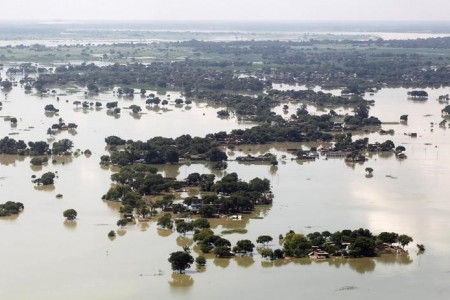
Climate change threatens to unleash more frequent floods. Satellite-verified flood insurance can underpin smallholder farmers’ livelihoods, as well as helping nations meet global development goals.
Many regions in the world, particularly sub-Saharan Africa, south and south-east Asia, South America and the Caribbean suffer from water scarcity, which can impact economic growth and political security. A panel of experts discuss how the private sector can help mitigate the problem by using water more efficiently.
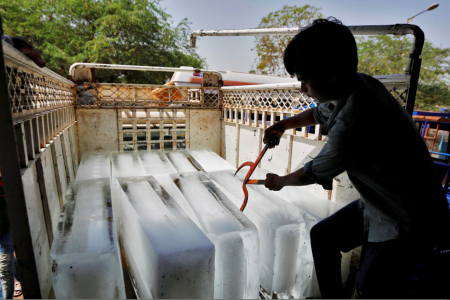
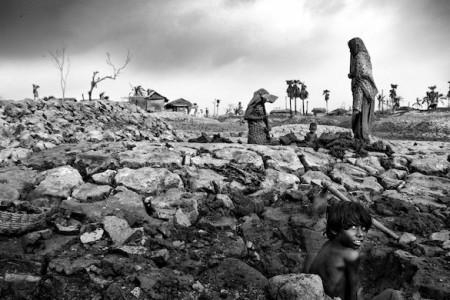
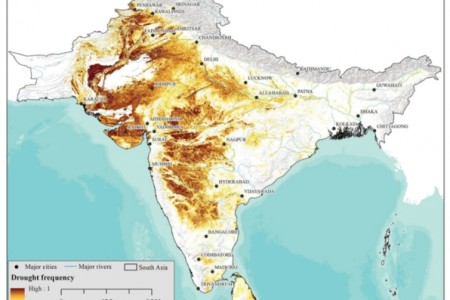
Almost 750 million people in South Asia were affected by floods, droughts, extreme rainfall, heat waves and sea-level rise — all impacts of climate change.
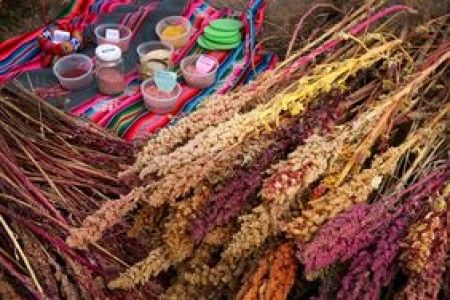
In this guest blog post, Ann Tutwiler, Director General, Bioversity International, kicks off Farming First's brand new series 'SDG2 Countdown' by stressing the importance of diverse foods in a nutritious diet.