Soil management doesn't sound snazzy, but scientists say it offers huge potential for keeping carbon emissions in the ground—and out of the atmosphere.
By Georgina Smith of CIAT. New maps show massive potential to store more carbon in farmland soils through better management practices, contributing to global emission reduction targets. The amount of carbon stored in the top 30 centimeters of the soil could increase an extra 0.9 to 1.85 gigatons each year, say authors of a new study published today in Scientific Reports.
Shivchand Rai and Ram Badhan Rai, both smallholder farmers in Madhurpatti village, are confident of getting insurance for their damaged paddy crop, unlike in the past. This has been made possible by an initiative by International Water Management Institute (IWMI).
“I was insured for crop damage due to flood free of cost this year for the first time in my life,” said Shivchand, who owns 7.5 acres of farmland. Even a rich farmer like Bisambhar Prasad Yadav of Belaur village is looking forward to get benefit of the index-based flood insurance (IBFI).
From 2011 to 2015, the Resource Recovery and Reuse project – implemented by the International Water Management Institute (IWMI) under the CGIAR Water, Land and Ecosystems research programme – analysed 110 waste-recovery businesses in order to establish guidelines for assessing, implementing and scaling up similar programmes.
By Katarlah Taylor. Participants at an IFPRI forum discuss how best to leverage research efforts and climate-smart agriculture to help the global poor withstand climate change.
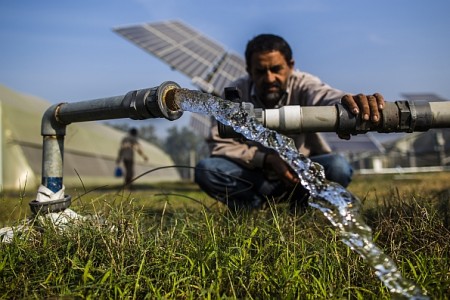
While many farmers consider solar technology to be expensive and technically complex, they tend to change their tune, once they get a chance to try it out for themselves.
Growing water scarcity and degradation pose rapidly growing challenges to global food security and human well-being. Unless important policy reforms are undertaken today, water scarcity and pollution will adversely affect most, if not all, livelihoods in the coming decades.
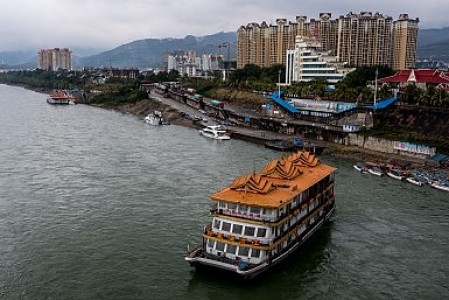
Myanmar Times: One of the world’s greatest rivers is under threat from unregulated activities in riparian countries. These acts disrupt the river’s flow and break down its food chains, experts cautioned. Livelihoods of more than 70 million people living along the Mekong River could be affected.
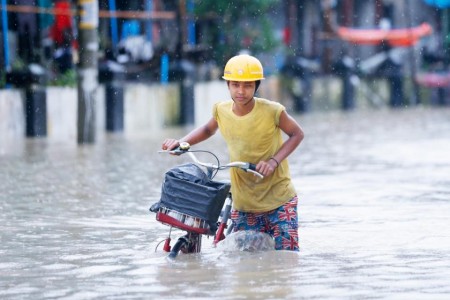
MADHURPATTI, India, Oct 24 (Thomson Reuters Foundation) - When heavy rains swept through this village in northern Bihar in August and September, so much floodwater covered farmers' fields that it was difficult to tell one plot of land from another.
"After the flood, when we went out to see the land there was nothing there," said Babu Ram Rai, one Madhurpatti farmer.
By Linh Tong. The latest Greater Mekong Forum on Water, Food and Energy took place from October 25-27 in Yangon, Myanmar. This forum is the biggest annual affair aiming to raise awareness and share research-based knowledge about sustainable development in the Greater Mekong region among NGOs, policymakers, private entities, and development agencies.
How many different ways can you measure a river? By its length and how many countries it passes through? The volume of water flowing along its course? The number of species it supports? Marc Goichot of WWF reports on the Greater Mekong Forum on Water, Food and Energy.