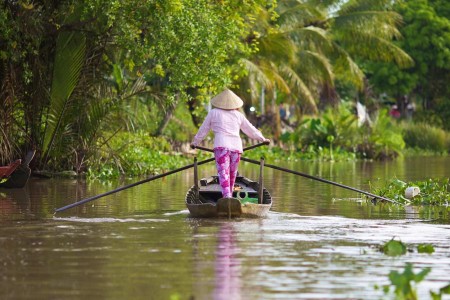
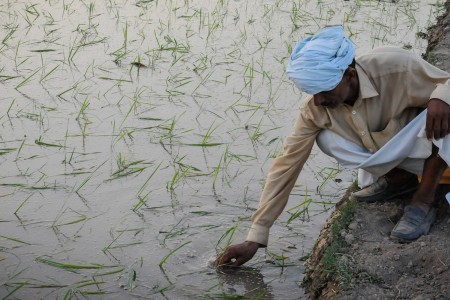
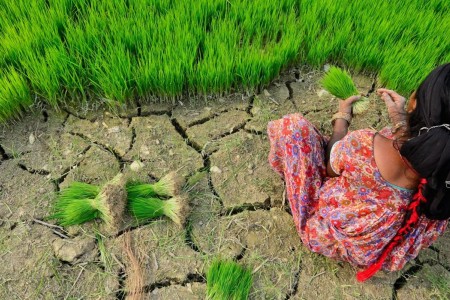
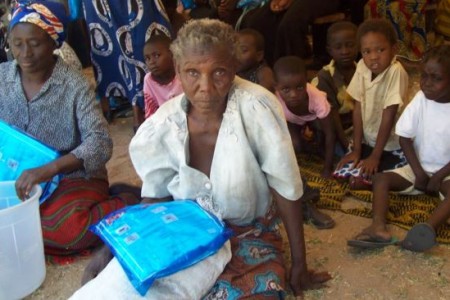
The Four Basin Gender Profiles project (4BGP) set out to try and map the kinds of information currently openly available on a range of topics related to water management and agriculture in four river basins: The Ganges, Nile, Volta and Mekong.
With the help of technology, researchers are able to get information and data into the hands of those who need it, faster. As a result, decision makers and farmers are better-equipped to make informed decisions.
Researchers are working with governments, farmers and private sector actors to provide information for decision makers and test new infrastructure that can help ensure that communities are resilient.
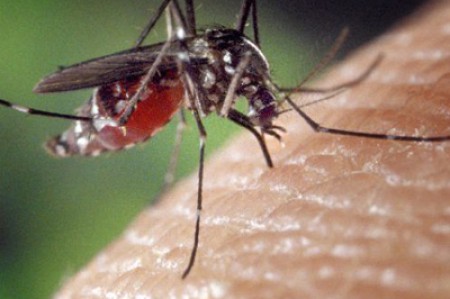
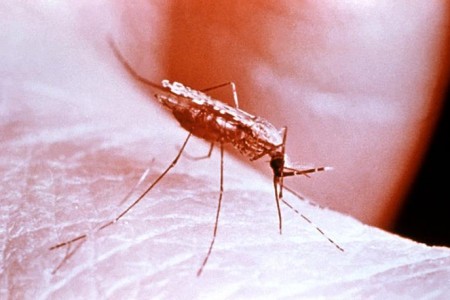
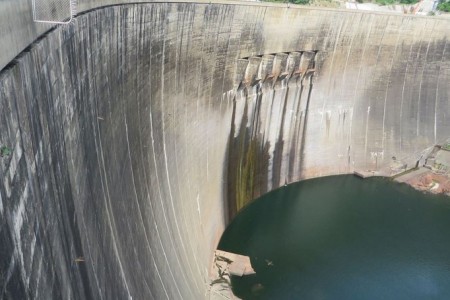
A new study found that people who live near large dams in sub-Saharan Africa are at least four times more likely than others to contract malaria. The study also warned that with many new dams slated to be built in the region, malaria cases could rise by tens of thousands annually.
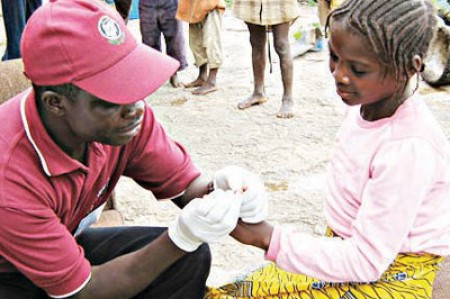
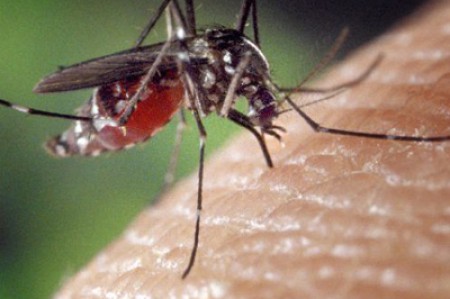
About one million people die from malaria every year, and most of the victims of this disease caused by parasites are children under 5-years-old. Malaria kills about twice as many children across the globe as measles, and about four times as many people as tetanus, according to UNICEF. Malaria is a top killer, and as it turns out, man-made structures are greatly contributing to these deaths.
When rivers are developed, the natural variability that supports local communities and wildlife may be lost. An environmental flows approach can help preserve fluctuating water levels.
Just for 2015, it is estimated that over a million of African people are infected by malaria because they live in areas were large dams are located. Researchers plotted the correlation between incidence of malaria and the location of the water dams. The result showed that existence of the large dams has a direct impact to the health conditions of the people living within the immediate vicinity.
Un millón de africanos contraerán malaria este año por vivir cerca de una presa, según un estudio divulgado este mes en la revista 'Malaria Journal' y que alerta de que las infraestructuras hidrográficas representan un caldo de cultivo para mosquitos transmisores de la enfermedad.
NAIROBI, Sept. 11 (Xinhua) -- An estimated one million people who live near large dams across Sub-Saharan Africa may contract malaria annually, revealed a study published in the September issue of Malaria Journal. The ground breaking study revealed that construction of 78 new dams in Sub-Saharan Africa will lead to an additional 56,000 new malaria cases annually.
One million Africans will catch malaria this year because they live near a large dam and, at a time of booming dam construction on the continent, greater efforts must be made to protect people from the killer disease, a study said on Friday.
NAIROBI, Sept 11 (Thomson Reuters Foundation) - One million Africans will catch malaria this year because they live near a large dam and, at a time of booming dam construction on the continent, greater efforts must be made to protect people from the killer disease, a study in Malaria Journal said.