The ability of millions of small-scale farmers to sustainably increase productivity, incomes and adapt to change, is contingent not only on the adoption of technologies but also enabling policies and market incentives.
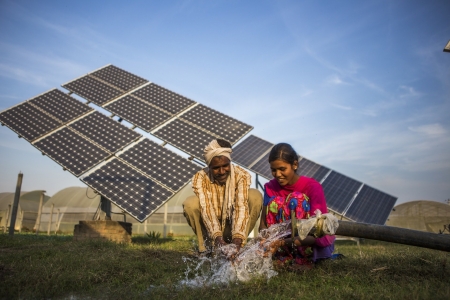
In Karnataka state in arid southwest India, the local electric company is required to buy back surplus solar power from farmers. The buyback policy, signed by Karnataka’s governor last September, is consistent with recommendations by scientists at the International Water Management Institute to treat solar power as a ‘cash crop.’
A project launching workshop of 'Community water management for improved food security, nutrition and livelihoods in the polders of the coastal zone of Bangladesh' was held in the city on Wednesday. The workshop was jointly organised by CGIAR research programs (CRP) on Water Land and Ecosystems (WLE), and Global Rice Science partnership (GRiSP).
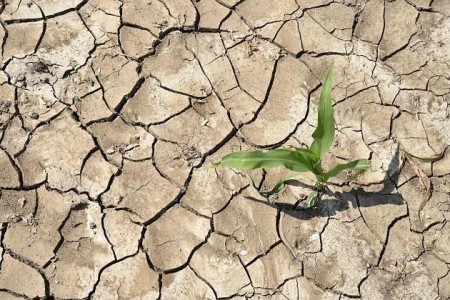
The salinisation of fertile soils could soon lead to a debacle around the world. Around 2000 hectares of arable land are lost every day, which is important for the cultivation of foodstuffs. Researchers suggest alarm: Where is our food tomorrow?
Imagine losing about 5,000 acres, or 15 average-sized farms in Iowa, every day. That's how much productive farmland has succumbed to salt damage in the last 20 or so years, according to a paper published Tuesday by a group of international researchers. And, they say, all that degraded land is costing farmers $27.3 billion a year.
It is the unnoticed poisoner of the world’s farmland. Every day, 2000 hectares of agricultural soil become unusable because of the damage caused by salt.
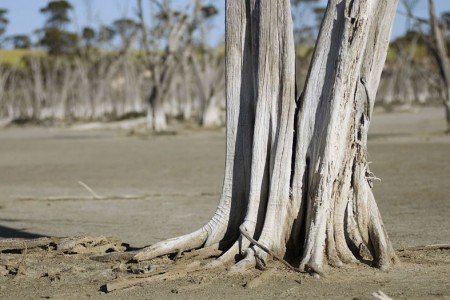
Every day for more than 20 years, an average of 2,000 hectares of irrigated land in arid and semi-arid areas across 75 countries have been degraded by salt, according to a study. Today an area the size of France is affected -- about 62 million hectares (20 percent) of the world's irrigated lands, up from 45 million hectares in the early 1990s.