Biodiversity is central to food security and should be evaluated by the Intergovernmental Panel on Biodiversity and Ecosystem Services (IPBES) urges Fabrice DeClerck in a recent Nature correspondence.
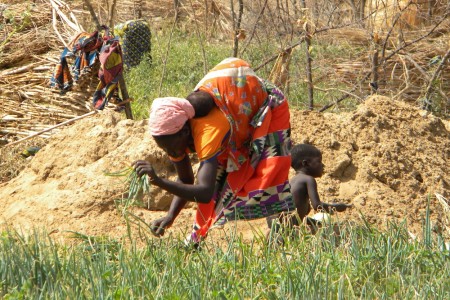
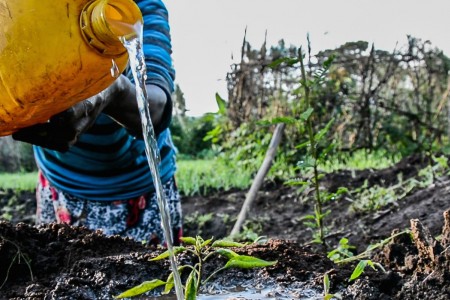
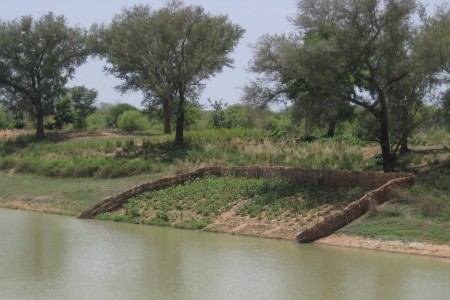
Researchers are using different methods - from the air, on the ground, and in the soil - to analyze farmer fields and interventions in the White Volta Basin.
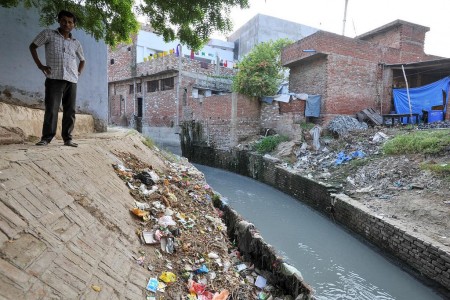
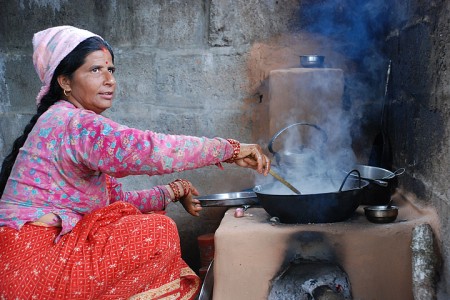
Discharge of untreated sewage and fecal sludge is considered one of the biggest threats to the health of the Ganga river. Innovative sanitation options that reuse waste may be the solution.
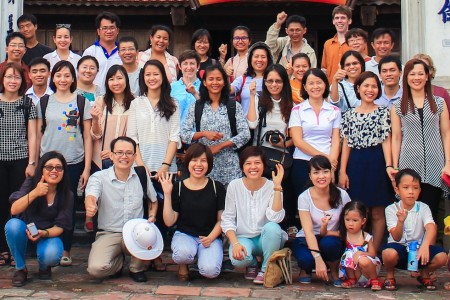
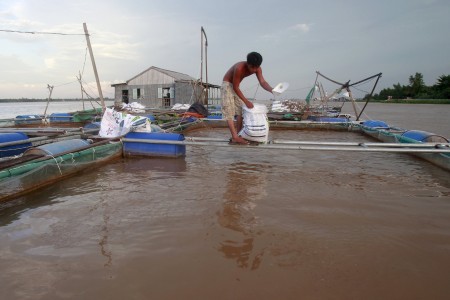
Fellows from the Greater Mekong capacity building programs in the Mekong, Red, and Salween river basins have produced a first round of blogs, describing their research projects to date.
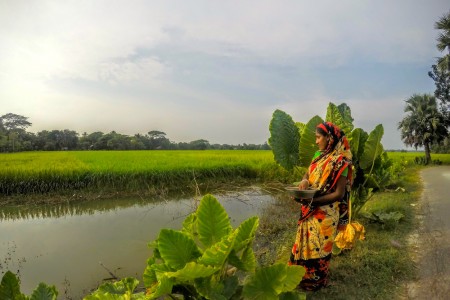
A new project funded by USAID to improve productivity in Bangladesh is building on the advances made in the WLE Project Community water management for improved food security, nutrition and livelihoods in the polders of the coastal zone of Bangladesh.
Biodiversity is central to food security and should be evaluated by the Intergovernmental Panel on Biodiversity and Ecosystem Services (IPBES) urges Fabrice DeClerck in a recent Nature correspondence.
A new book, compiled from research done by WorldFish, aims to provide planning tools for policy makers and practitioners to support the sustainable development of dams in the Mekong River basin.
The coastal zone of Bangladesh is notorious for its low agricultural productivity and persistent poverty. Water salinity has been perceived as the biggest and most difficult challenge standing in the way for thriving agriculture – but what if that’s not the problem at all?
Food is at the heart of sustainability – changing how we produce, and consume food can radically change both human, and environmental health for the better.
Deep into the talks at the 8th Ecosystem Services Partnership conference held in South Africa’s mega diverse Western Cape, Bioversity International and Natural Capital Project colleagues filled the room with attendees hungry to learn more about MESH, an innovative new tool for mapping ecosystem services.
The set of complex problems that WLE addresses in relation to sustainable intensification calls for new institutional arrangements and partnerships in order to catalyze innovation and widespread change.