Apply to be one of 50 young innovators to take part in the GLF Youth in Landscape Initiative in Paris from 1-4 December. Are you ready to tackle one of the 5 landscape challenges, with a team of 10 passionate young people?
The Landscapes for People, Food and Nature (LPFN) initiative has produced a brief on Integrated Landscape Management (ILM) as it relates to the UN Sustainable Development Goals in preparation for a white paper on the subject.
The Landscapes for People, Food and Nature (LPFN) initiative, in cooperation with Bioversity, is planning to write a white paper on the subject of Integrated Landscape Management (ILM) as it relates to the UN Sustainable Development Goals.
A working group, led by Bioversity International with funding from WLE, is working to understand how the UN Sustainable Development Goals can be leveraged for conservation and human well-being by identifying links between ecosystem services and achieving SDG goals.
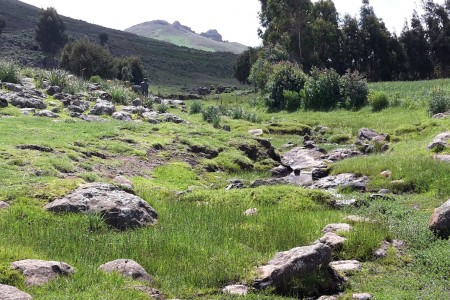
The Support to the Horn of Africa Resilience (SHARE) project aims to conserve biodiversity and ecosystem functions and services in the Bale Eco-Region (BER) of Ethiopia and improve the well being of communities that depend on these functions and services.
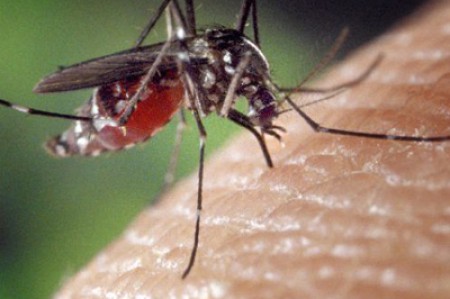
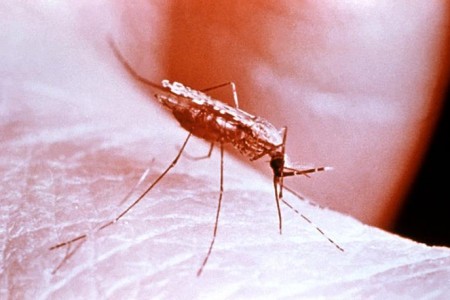
About one million people die from malaria every year, and most of the victims of this disease caused by parasites are children under 5-years-old. Malaria kills about twice as many children across the globe as measles, and about four times as many people as tetanus, according to UNICEF. Malaria is a top killer, and as it turns out, man-made structures are greatly contributing to these deaths.
When rivers are developed, the natural variability that supports local communities and wildlife may be lost. An environmental flows approach can help preserve fluctuating water levels.
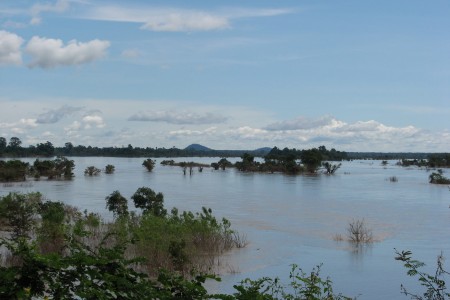
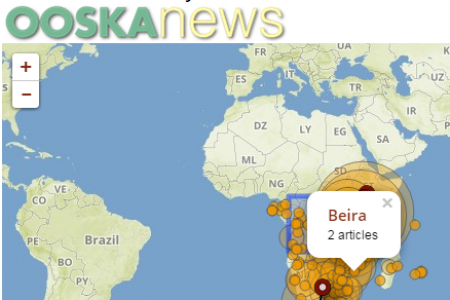
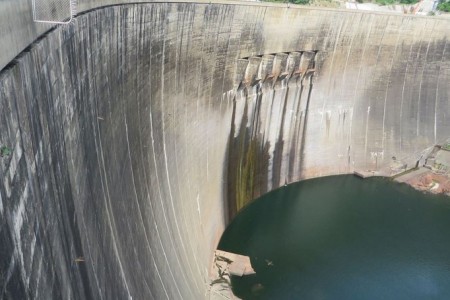
Just for 2015, it is estimated that over a million of African people are infected by malaria because they live in areas were large dams are located. Researchers plotted the correlation between incidence of malaria and the location of the water dams. The result showed that existence of the large dams has a direct impact to the health conditions of the people living within the immediate vicinity.
Un millón de africanos contraerán malaria este año por vivir cerca de una presa, según un estudio divulgado este mes en la revista 'Malaria Journal' y que alerta de que las infraestructuras hidrográficas representan un caldo de cultivo para mosquitos transmisores de la enfermedad.