How do you give a voice to those who often are not heard? Handing over a video camera and equipment may not be your first thought, but it is a fascinating possibility that leads to learning on many levels.
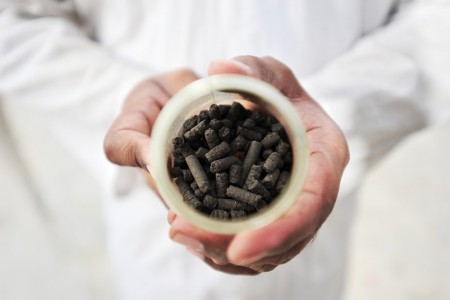
A new agreement between the Ministry of Agriculture in Sri Lanka and the International Water Management Institute will help develop initiatives to improve waste-derived compost using nutrient enrichment and pelletizing technologies.
Researchers are using different methods - from the air, on the ground, and in the soil - to analyze farmer fields and interventions in the White Volta Basin.
Co-composting of organic waste and fecal sludge and can create value in terms of waste treatment savings, improved sanitation, soil rehabilitation, and job opportunities.
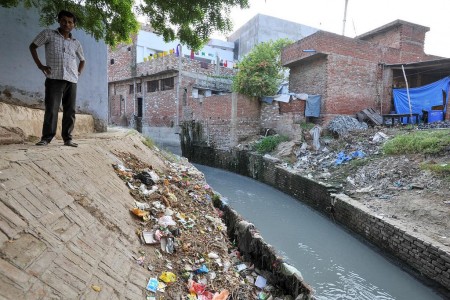
Discharge of untreated sewage and fecal sludge is considered one of the biggest threats to the health of the Ganga river. Innovative sanitation options that reuse waste may be the solution.
A roundtable meeting was held in Addis Ababa, Ethiopia with water professionals from the Nile Basin to discuss the Water Accounting + framework and examine the thematic sheets produced for the Nile.
Fellows from the Greater Mekong capacity building programs in the Mekong, Red, and Salween river basins have produced a first round of blogs, describing their research projects to date.
Laos has many foreign land concessions, which have resulted in farmers losing their land and traditional livelihood activities. What are some of the coping mechanisms they employ to deal with these changes?