WISE-UP - 'Water Infrastructure Solutions from Ecosystem Services Underpinning Climate Resilient Policies and Programmes' - aims to demonstrate natural infrastructure as a 'nature-based solution' for climate change adaptation and sustainable development in the Volta and Tana Basins. The WISE-UP project is implemented by IUCN with partners IWMI, BC3, ODI, ACCESS in Kenya, University of Manchester, and CSIR in Ghana, with the support of the Volta Basin Authority. It is funded by the International Climate Initiative (IKI) of the German Federal Ministry for the Environment, Nature Conservation, Building and Nuclear Safety (BMUB).
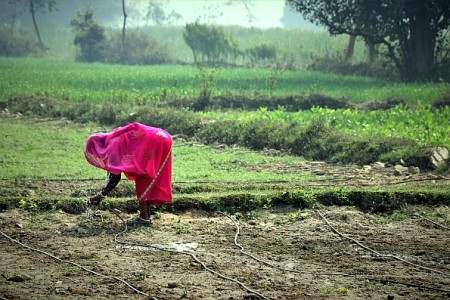
While pollution of the Ganges appears to be an insoluble problem, demand for water – driven mainly by farming – is actually drying out certain sections of the river. Solutions exist but they require a complete rethink of current institutional frameworks and business models.
Hydropower development in Uttarakhand, India has been stalled due to disagreements with local communities. A research project recommends new policies on fair and structured benefits-sharing to ensure mutually beneficial and sustainable hydropower development.
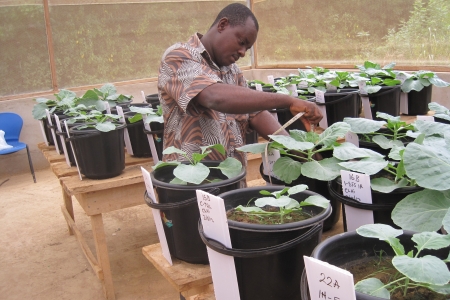
IWMI received a commendation from the Government of Ghana for its contribution to incorporating organic fertilizers into the government's Fertilizer Subsidy Programme.
"At least 73% of the land of Bihar is flood-prone. If we take those areas which were flooded due to Kosi bund breach in 2008 into account, it goes to over 80%."
Collective action is the key to reviving drying springs in the mid-hills of Nepal, which act as a lifeline for local households. The Dailekh community is leading the way.
In response to problems that have come about related to water resources and ecosystem services in the Red River basin, one project has combined high level technical approaches, including remote sensing data, with citizen science in order to pilot more holistic solutions.
From the IFPRI blog: on World Water Day, Janna de la Paz and Ruth Meinzen-Dick explore the difficulties of equitably and sustainably managing freshwater resources for farming, and look explain how experimental games can help farmers understand and sustain groundwater resources.