In an era of rampant land development and increasing climate unpredictability, the world is growing used to alarming images of flooded city streets. But cities can combat these floods by turning themselves into "sponge cities".
Sri Lanka Daily News. Colombo is drying up—literally. Since the 1980s, the city has lost almost 60 percent of its wetland area. Today, on World Wetlands Day, it’s more crucial than ever to consider why all of this matters—and why the fight to save Colombo’s remaining wetlands is one that should involve each and every one of us.
Roar Media. The importance of Colombo’s wetlands—and indeed wetlands in all major cities, globally—cannot be overstated. They are a vital cog in the health and wellbeing of the city’s ecosystem. They are a natural defence against flooding, provide a no-cost sewage network, and grant fertility to the farms and paddy fields that feed the population.
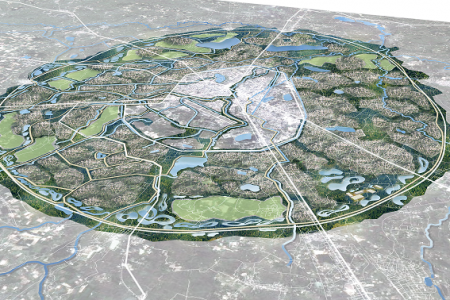
By Ignacio Ortinez of estudioOCA and Matthew McCartney and Priyanie Amerasinghe of the International Water Management Institute (IWMI). Urban floods cost billions of dollars per year and seem to be happening with increased frequency. "Sponge cities," which harness the absorbent power of wetlands can combat flooding and improve urban life.
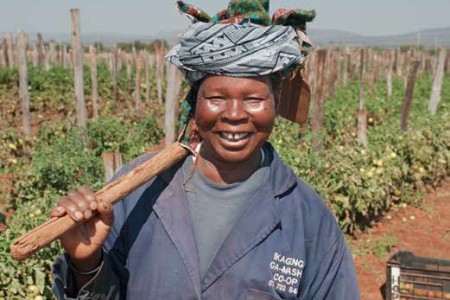
By Dr. Louis Verchot, Director of Soils Research at the International Center for Tropical Agriculture (CIAT). Amid the roaring debate on how to curb climate change in Bonn last year, an impasse was finally broken on agriculture. Both a cause and casualty of climate change, our food system accounts for up to 24% of greenhouse gas emissions.
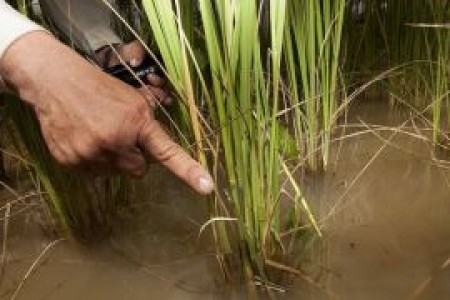
At a Regional Workshop on Building Drought Resilience in Agriculture Partnerships and Outreach, held from 5-8 December 2017, experts from water and the climate agencies in the ASEAN region worked through strategies to help local agencies draw up drought preparedness and risk mitigation plans.
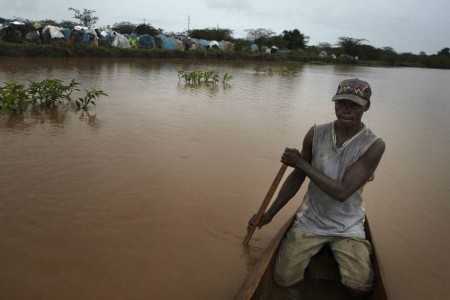
Increased rainfall and river flows in the next decades could make the Tana river basin in Kenya provide more opportunities for irrigation and hydropower generation, according to a report.
A collection of opportunities for researchers working on sustainable agriculture issues: grants, workshops, journal calls, and related notices. Learn how to join the Thrive Network for Sustainable Agriculture Researchers.