Diana Suhardiman, a Lao-based senior researcher for policy and institutions at the International Water Management Institute, tells SciDev.Net that while the initiative will help fill information gaps in water management, it could move beyond neutral and apolitical framing of data.
When corporations run aground, the internal auditors are among the first to take the blame. By the same token, when a water crisis hits, the first question to ask is whether the places affected have their “water accounting” in order. The importance of the concept for effective water governance is the key message of a side event being held at the 8th World Water Forum this week in Brasilia, Brazil.
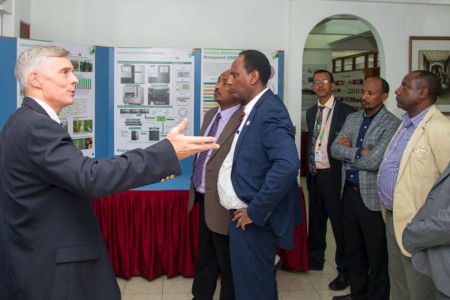
A high-level ministerial delegation from Ethiopia was in Telangana, India, to find solutions for rain water management and nutritional security. The visit was jointly hosted by ICRISAT and the Telangana Ministry of Irrigation.
The government of India has distributed 100 million cards to help farmers monitor soil health. But many are finding them overly technical and difficult to use.
In Phase 1, WLE had an Ecosystem Services and Resilience core theme which held trainings over four years. The results and assessment show some interesting trends.
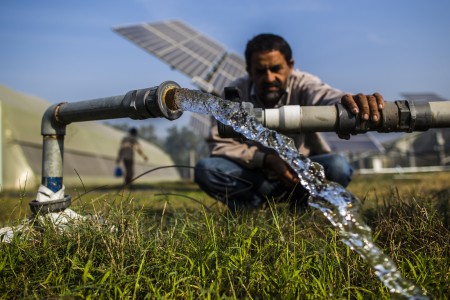
How solar irrigation in Bihar has helped double yields.
At a time when farmers across India are in distress, solar power-irrigated agricultural fields at Chakhaji village in Pusa block, Samastipur, Bihar, are lush green. Standing resplendently are bumper crops of peas, tomatoes, a variety of vegetables and tobacco. Since the solar power irrigation project was launched towards the end of 2016, dividends have been good. There is no more dependency on the polluting diesel pump sets or the vagaries of State electricity to pump water into the fields. Solar panels herald improved irrigation, carbon-free air and increased earnings for farmers.
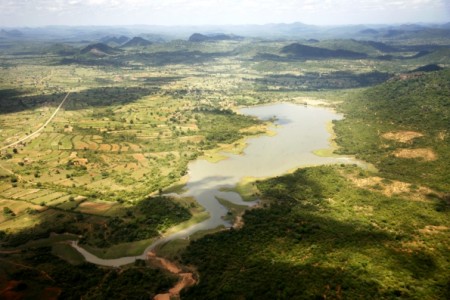
Ethiopia has experienced significant deforestation over the past century – driven by rapid population growth, the expansion of agricultural land, and the unsustainable demand for wood, often as a source of fuel for cooking and heating. The World Bank suggests that less than 3 percent of the country’s forests remain untouched.
Development agencies have struggled to find ways to help rural women overcome obstacles in male-dominated societies and to gain an education, to own land, to take out loans, to earn a living and to gain equal rights in all arenas.
From Hollywood and Bollywood to the media, NGO and corporate worlds, stories about harassment and discrimination against women in the workplace have captured global attention for months. And rightly so.
But what about the millions of rural women facing these injustices, who almost never make the headlines?
With nearly 30 million wells having sprung up during the last half century, India is a global hotspot of groundwater use. This book offers a window into the prevailing challenges and promising opportunities in the water sector in India. A review for the GRIPP network by Shailendra Nath Dwivedi of the Central Ground Water Board, Ministry of Water Resources, RD& GR, Govt. of India