Tested and proven method in treating fecal sludge and turning it into nutrient rich fertiliser revolutionizes the problem of waste management into an opportunity for agricultural production
Integrating social sustainability at the heart of sustainable agricultural solutions in not only right, but it’s also the smart thing to do in ensuring both environmental protection and food security.
Farmers perspective points reveal social, economic and political decisions play an equally important role, next to investment in infrastructure, and that intangible benefits for human wellbeing is a missing ingredient in the sustainable development agenda.
Identifying the right mix of strategies for scaling solar irrigation could help support livelihoods of millions of smallholders, whilst protecting the environment.
WLE Program Director argues that we need to focus on natural resources in new Op-Ed in Scientific American. It is not only a climate crisis that we have on our hands; it is a full-blown planetary emergency, and agriculture is both a source and a potential solution.
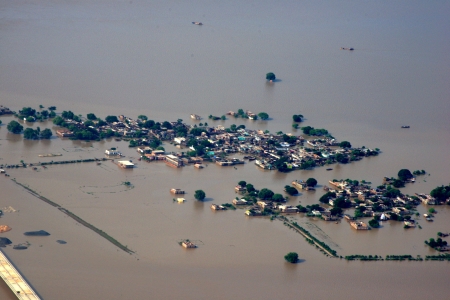
Climate related disasters are increasing at an alarming rate and adversely affecting human vulnerability and food security worldwide. But utilizing technology andlocal-level adaptation plans, backed by investment, partnerships and fortitude, are critical for readiness and mitigation.
The inherent social dimension must be considered during the design and implementation of ecosystem restoration schemes, particularly in terms of the interaction between formal and informal institutions, to get better and more equitable outcomes from those schemes.
Goundwater represent close to 99% of all unfrozen fresh water in the world and it's the source of almost half of the water used for irrigation worldwide. This infographic displays the history of groundwater, suggesting how we might better manage it in the years to come.
With climate change upping the disaster scale in modern times, there is an urgent call for a proactive and collaborative approach between stakeholders, to manage and mitigate disasters more effectively
Statistics are worrying, but recognizing interlinkages between water and nutrition security, and their link to climate change, water pollution, and watershed degradation, could help accomplish both SDG 2 and 6.
While climate change action is the need of the hour, it’s also important to pay close attention to the trade-offs in each of those action. The recent IPCC 6th assessment report on Climate Change and Land suggests that some responses may have benefits beyond reducing carbon footprints, and result in zero or limited tradeoffs.
Climate change, increasing demand and over usage is taxing our water resources more than ever. Smallholder farmers will be the worst affected and the most vulnerable. A new report from the Global Commission on Adaptation (GCA) shows us how to rethink about our water usage, our food systems, and our diets.





/index.jpg?itok=Rd9jvqMu "Charlie Worthington")


