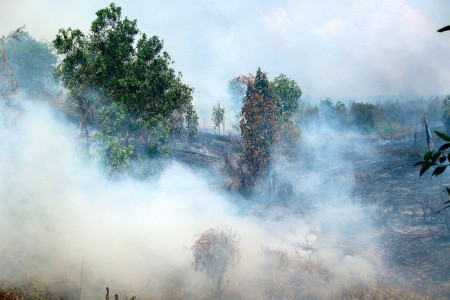
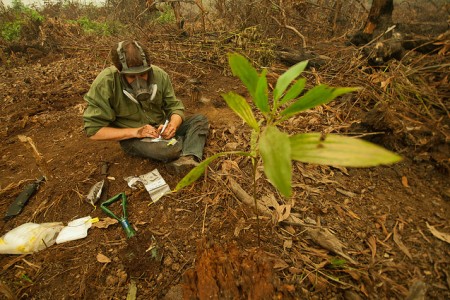
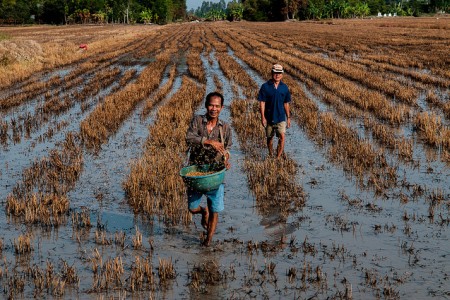
What is the future for Indonesia and its landscapes? The country is at an extraordinary moment. Under the new populist government of Joko Widodo, huge areas of the country’s state lands may change hands in the next few years.
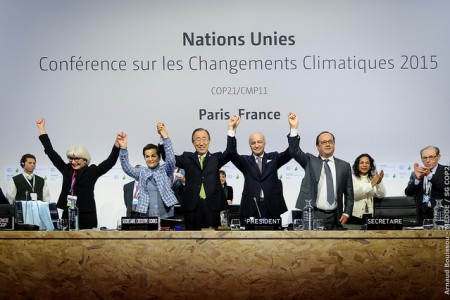
Climate change activists were all smiles at the conclusion of the Paris Agreement last weekend. But what about those wanting an agreement that would restore and sustainably manage landscapes? What did the deal say about forests and forest dwellers? Did it give a boost to “climate-smart agriculture”? Or do we just face a blitz of low-carbon hydroelectric dams?
When it comes to discussions of water allocation in terms of development, needs for water like food security and energy grab the spotlight while water for nature is too often sidelined. With over-allocation, exploitation and conflict between human users, how does nature's voice fit in?
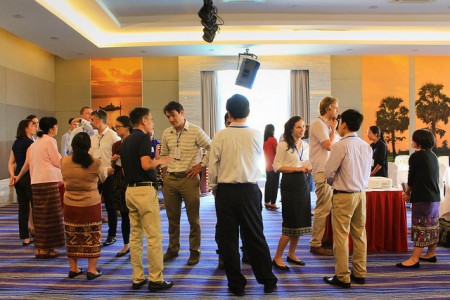
Fifty young innovators had four days to come up with solutions to some of today’s biggest landscape challenges. As if that wasn’t enough, they then had to pitch their ideas to a panel of experts. In front of an audience of over 200 conference participants.
"The Greater Mekong Forum serves as the primary interface between the technical work produced by WLE Mekong and potential users of that work," Kim Geheb discusses his thoughts on the forum.
For over 40 years as an international soil scientist, I have been hearing more and more what I call “The Soil Scientists’ Lament” – the cry that “soils are neglected”, “soils are under-valued”, “inaction on soil degradation is costing hundreds of billions of dollars per year”, “but those who make public policy are not listening to us”.
Green infrastructure involves making conventional urban infrastructure more sustainable, cost effective, and resilient to climate change. But implementing such techniques, in less well-planned cities in Southeast Asia may prove to be more difficult than in western cities.
People should be allowed and even, in some circumstances, encouraged to move for work. But the current structure of migration, particularly in the Ganges plains, contributes to the reproduction of rural poverty.
There is currently a lack of data and understanding of rural youth and high unemployment rates of youth in South Asia and sub-Saharan Africa. What we need to understand is how best to engage youth in agriculture by facilitating linkages.
Publicly accessible satellite data gives water accounting a boost with the ultimate goal of being able to give water managers precise indications of where and when water is being “used” and allow them to plan accordingly.
United Nations climate negotiations will be critical for the future of the planet, right? There is no time to lose. We need less politics, and more action. Well, not so fast, maybe
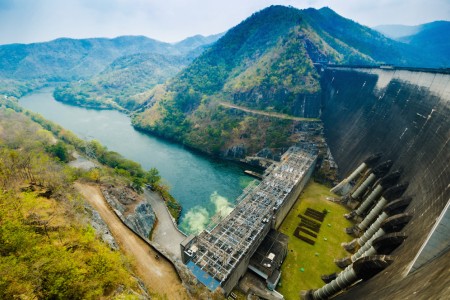
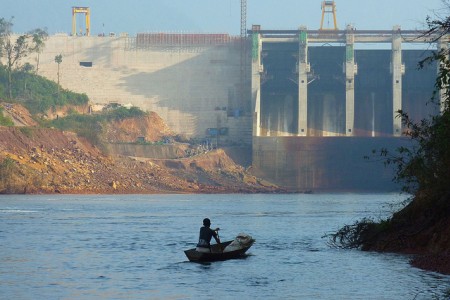
In the Mekong Region, fast flowing rivers are often the lifeblood of nearby communities. They provide food, transportation, irrigation and spiritual needs. But a fast flowing river is also an opportunity to generate hydropower. To offset the ecological effects, could artificial wetlands benefit dam-side communities?