Here’s what has grabbed our attention in the research literature on Ecosystem Services and Resilience over the past few months. What has biodiversity done for you lately?
How do you incorporate local communities in research? Thaibaan Research is supporting villagers to design and carry out projects that they find important to their daily lives.
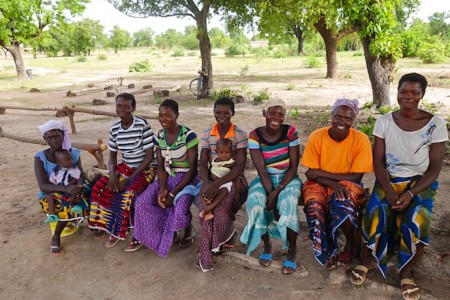
What are we actually talking about when we refer to women’s land rights? Here’s what the research is showing us: ten papers from IFPRI authors and partners highlight what we know and what we don’t know - but really should! - about gender and land tenure.
We’ve been engaging increasingly with the health sector to explore the relationship between biodiversity, environmental health and human well-being. Read on as we highlight some of the articles that have been influential at this intersection.
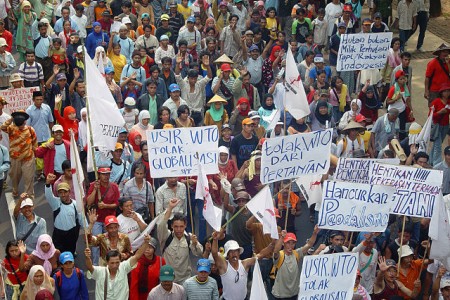
For most Westerners, the idea of common lands conjures up images of English village greens or abandoned wasteland. But in much of the developing world, they are the lifeblood of hundreds of millions of people, sources of sustenance and spirituality, of wealth and welfare.
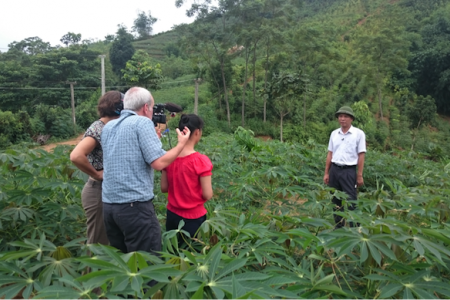
It’s one of the classic problems in agricultural development: how to scale innovations to reach millions of smallholders on thin budgets? The unstoppable rise of easy-access technology and focus on farmer-to-farmer approaches are breathing new life into a familiar strategy: video extension.
Matrilineal societies are often mistakenly connected with female empowerment. But in light of Rural Women’s Day (October 15), as an anthropologist, I feel the need to raise a red flag.
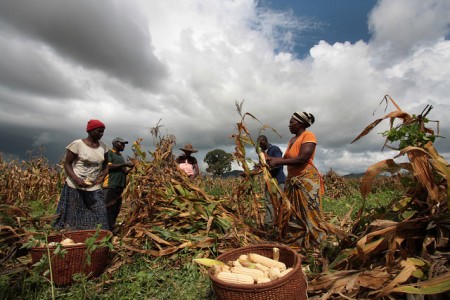
Rumor has it that women are naturally the more environmentally conscious sex. As “keepers of the earth” they are the ones who selflessly care for the planet and are the ones who will bear the disproportionate burden as it is degraded. But is this really true?
Many farmers long ago turned to groundwater pumping to cope with water supply shortages. But how much energy do we use to access this water source? The answer has remained something of a mystery — until now.
Just over a year ago, delegates from the United Nations produced the first agreed set of Sustainable Development Goals for the world. Among the SDGs, which are meant to end poverty and sustainably steward the earth's natural resources, the critical role of water has repeatedly emerged during the negotiations.
Soil, and what it means for human survival, hasn’t gotten this much attention since the 1970s and 1980s. But as soils return to the high tables of policymaker, who will be the winners? Fertiliser companies or smallholders? Land grabbers or the hungry?
Pope Francis' 'Laudato Si' encyclical has gained a considerable amount of attention over the past few weeks. Not a single international conference on climate change or development has gone without referencing the Pope’s landmark piece