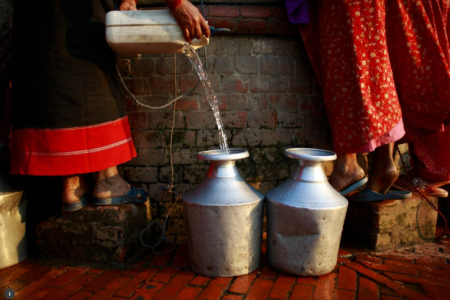
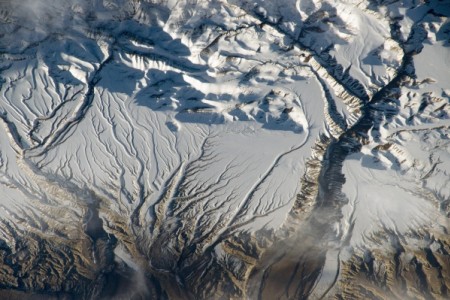
Collective action is the key to reviving drying springs in the mid-hills of Nepal, which act as a lifeline for local households. The Dailekh community is leading the way.
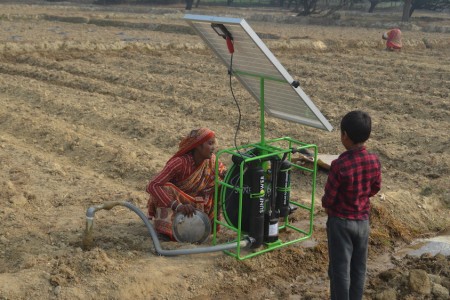
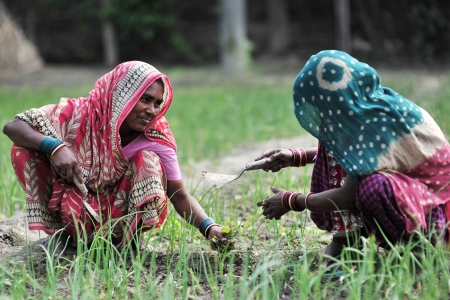
A study in Nepal’s Tarai-Madhesh region highlights that, despite changes in the roles women are playing in agriculture, many of them are having trouble accessing water resources for irrigation. Recommendations have been developed in a new technical brief.
Water has been in the news in Tamil Nadu, from devastating floods in 2015 to a severe drought because of weak northeast monsoons in 2016. In view of the severity of the event, the Tamil Nadu government has declared all of its 32 districts as drought-affected and reported increasing agrarian stress.
Over the course of a decade, half the spring water in the Indian state of Sikkim disappeared. No one is sure why this is happening. Climate change may be having an influence, along with other factors. But how can we find out more about the springs’ hydrology?
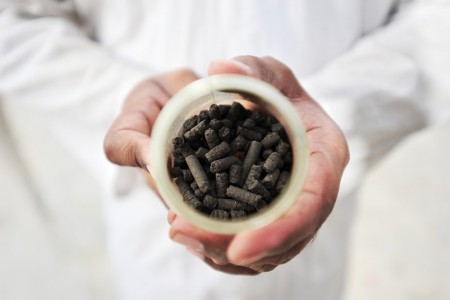
A new agreement between the Ministry of Agriculture in Sri Lanka and the International Water Management Institute will help develop initiatives to improve waste-derived compost using nutrient enrichment and pelletizing technologies.
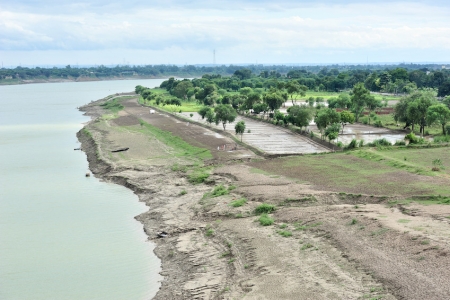
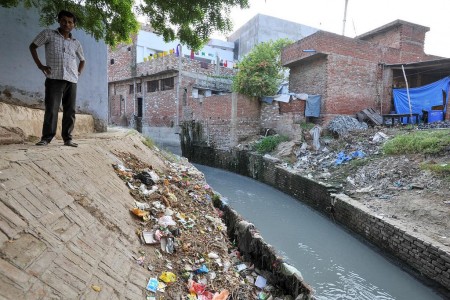
Discharge of untreated sewage and fecal sludge is considered one of the biggest threats to the health of the Ganga river. Innovative sanitation options that reuse waste may be the solution.