With nearly 30 million wells having sprung up during the last half century, India is a global hotspot of groundwater use. This book offers a window into the prevailing challenges and promising opportunities in the water sector in India. A review for the GRIPP network by Shailendra Nath Dwivedi of the Central Ground Water Board, Ministry of Water Resources, RD& GR, Govt. of India
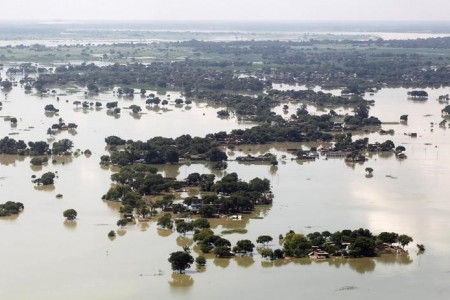
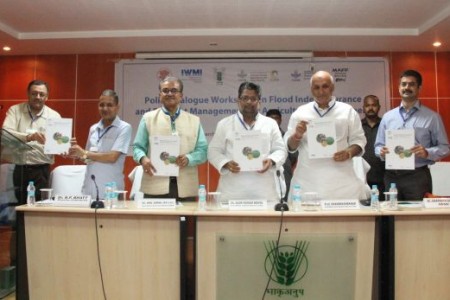
Following the success of the IWMI led pilot of providing Index Based Flood Insurance (IBFI) in Bihar, India, the World Bank and the Government of India are interested in making IBFI available in flood prone regions. The project is supported by WLE and CCAFS.
Following the success of the IWMI led pilot of providing Index Based Flood Insurance (IBFI) in India, the World Bank and the Government of India are interested in making IBFI available in flood prone regions. The project is supported by WLE and CCAFS.
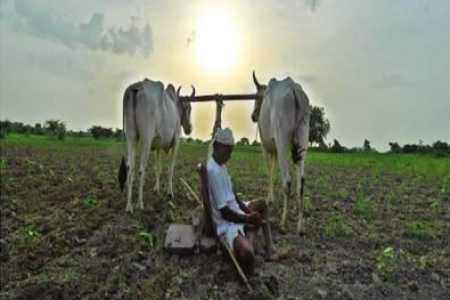
At a time when India is reeling under severe drought, water expert Giriraj Amarnath, recommends effective water management techniques, integrated farming and use of clean energy in farming to overcome hurdles posed by water scarcity. Also a research group leader in water risks and disasters at the International Water Management Institute in Sri Lanka, Amarnath in an interview with TOI says India can build better resilience systems for farmers through improved knowledge and advance warning
Across South Asia today, male out-migration is a fact of life, particularly in the poorer Eastern states of India such as Bihar, not to mention Nepal and Bangladesh. This has led families to pursue a dual livelihood strategy, depending on both farming and migrant wage work, with neither able to fulfill their minimum needs alone, let alone provide opportunities for economic upliftment.
Climate change threatens to unleash more frequent floods. Satellite-verified flood insurance can underpin smallholder farmers’ livelihoods, as well as helping nations meet global development goals.
A new report from the International Water Management Institute (IWMI) and the CGIAR Research Program on Climate Change, Agriculture and Food Security (CCAFS) underlines the vulnerability of agriculture to climate hazards in South Asia.
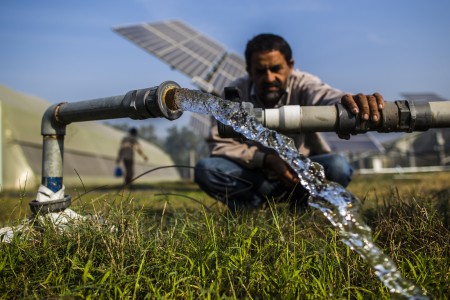
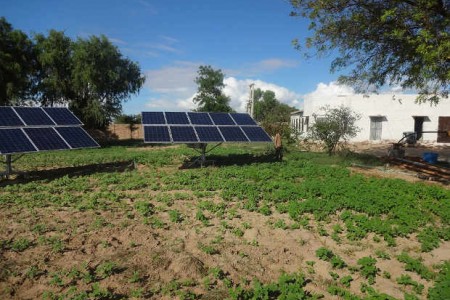
Dhundi, Kheda district, Gujarat: Phodabhai Parmar, a 72 year-old farmer, sits on a charpai sipping tea as solar panels gleam in the fields behind him. Parmar is one of six farmers who have formed the world's first solar irrigation cooperative in Dhundi village in Gujarat's Kheda district, about 90km from Ahmedabad.
While pollution of the Ganges appears to be an insoluble problem, demand for water – driven mainly by farming – is actually drying out certain sections of the river. Solutions exist but they require a complete rethink of current institutional frameworks and business models.
Hydropower development in Uttarakhand, India has been stalled due to disagreements with local communities. A research project recommends new policies on fair and structured benefits-sharing to ensure mutually beneficial and sustainable hydropower development.
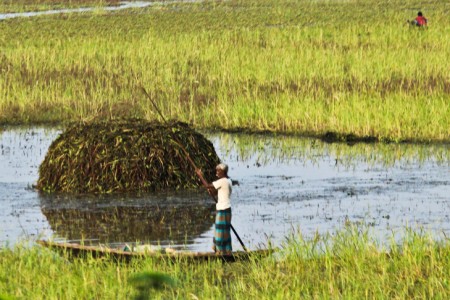
"At least 73% of the land of Bihar is flood-prone. If we take those areas which were flooded due to Kosi bund breach in 2008 into account, it goes to over 80%."