The world is currently facing a daunting double challenge: human populations and material demands are increasing while natural resources are declining at an alarming rate.
If a farmer managed his or her soil in a certain way for one year, they could offset the carbon emissions of a round trip flight from New York to Nairobi.
Rivers in Myanmar face a range of serious threats – unsustainable hydropower development, pollution, resource exploitation and ad hoc development. But there is one issue that may undergird them all: lack of access to data.
What tools and knowledge can be shared with young farmers in drylands to manage and reduce risks from a changing climate while protecting and improving their livelihoods in these rural areas?
At the end of 2016, we saw the highest accumulated number of forcibly displaced people since the Second World War, reaching an unprecedented level of 65.6 million people. As in 1945, the world is now on the move again. And the drivers remain conflict, political instability and poverty. Again, the results are hunger, loss of livelihoods and threats to human lives.
GILIT offers an integrated, participatory approach for measuring gender equity in irrigation schemes, facilitate learning, and help identify ways to improve equity.
Will restoring or attempting to recreate the 'natural' flows of rivers downstream of large dams for the benefit of ecosystems actually help or hinder local communities?
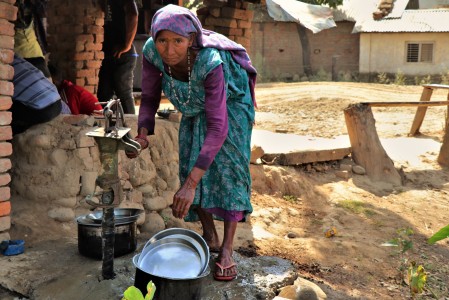
In a study of water projects in Western Nepal, Stephanie Leder and Floriane Clement found that community dynamics impacted planning processes. As a result, more marginalized and disadvantaged women are less likely to benefit from improved water supplies.
Investing in nature is just as important as the concrete and steel needed to build dams and reservoirs and contributes to the long-term resilience and sustainability of this infrastructure.
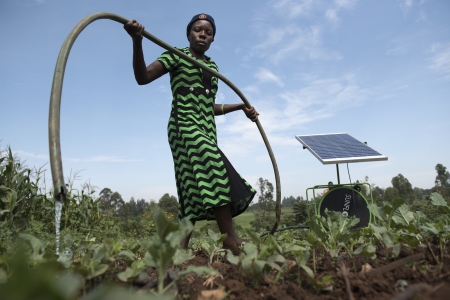
As small-scale irrigation becomes a viable option for improving farmers' resilience to climate shocks in Africa and Asia, decisions about access and use are made at the household level. How can equal governance of these water resources be ensured?
Sanitation services and waste collection have long been a financial burden for the public sector. A new series of business models shows how this trend cannot only be reversed, but how recycling and reusing waste can be a lucrative endeavor.