Upstream communities in the Cañete basin in Peru are maintaining ecosystems to help communities downstream have enough water for industry and livelihoods. Ironically, they are having trouble with their own water and labor security.
Every other week we read of a new water pollution scandal, often after people fall sick, but sometimes because of large-scale fish die off or other adverse environmental impacts. Can we turn the tide of growing water pollution around?
Not everything is what it seems – especially women’s access to resources in eastern Sudan. In conservative societies, it is easy to make vastly wrong assumptions about women’s positions based on observations of their daily routines or living situations.
When managed properly, wetlands can be both an economic boon and provide ecosystems with key environmental services. But wetland farming can also provide much more than subsistence incomes for households. It can help farmers develop new enterprises and establish more resilient livelihoods.
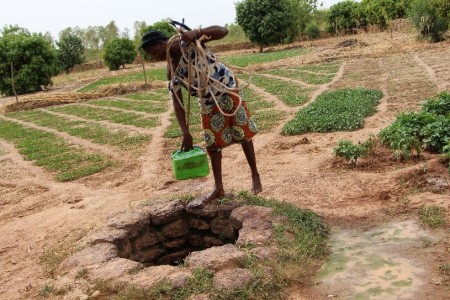
The Raya Valley in Tigray, Ethiopia is a picture of fertile plains, diverse plant genetic resources and relatively untapped ground water potential. But although the valley is known for its endowment in natural resources, it is also known for its reoccurring droughts.
In Northern Ghana, through a series of field visits and focus group discussions, we spoke with local community members about small reservoirs and how they affect both genders differently. Here are three interesting lessons that we learned.
Proper water management is a particularly tricky balancing act to achieve. There must be sufficient access to clean and safe water for consumption, sanitation, and agriculture, while communities must have enough disaster-risk infrastructure in place to deal with drought, flooding, and any other water-related issues. Too little and we have a problem, too much, and again, it’s a problem: this is a Goldilocks dilemma.
Manythong Siharath is worried. The wetland she depends on for her livelihood is changing and changing fast! In recent years, fishing has become a lot harder and her income has dropped significantly. She like many others around the world faces a shrinking wetland while her problems only continue to grow.
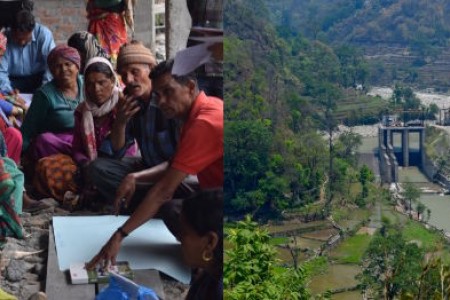
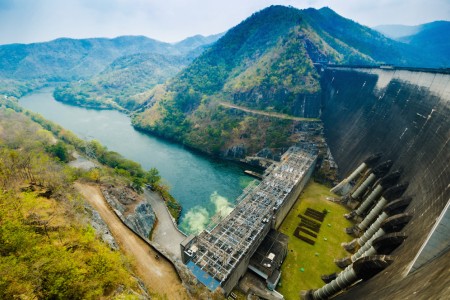
In Uttarakhand, as many as 450 new hydropower facilities are being developed rapidly and haphazardly. Installation of hydropower facilities presents a complex combination of benefits and risks for local residents. While providing local electricity, flood control and water storage for climate mitigation, there are also negative impacts.
Floods. It seems no matter where you turn these days, you can’t escape news of flooding in some part of the world. In the face of climate change and COP21, towns and cities all over the world must look to develop sustainably. Here's a look at green infrastructure issues in the Mekong.
In October, by good fortune, two WLE projects met in the polders of Bangladesh. Improved water management in the polders goes hand in hand with a higher value cropping system, observes van Steenbergen and Mondal.
When it comes to discussions of water allocation in terms of development, needs for water like food security and energy grab the spotlight while water for nature is too often sidelined. With over-allocation, exploitation and conflict between human users, how does nature's voice fit in?