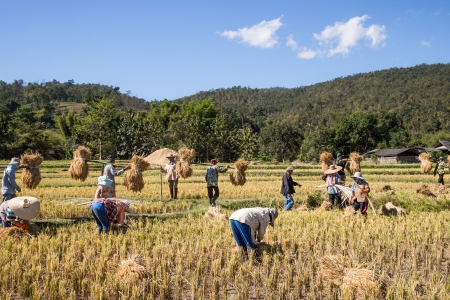
The impacts of climate change are felt in every region around the world. In the Mekong Region, these impacts have a particularly profound impact on food security: a new MOOC from SEI will investigate this topic.
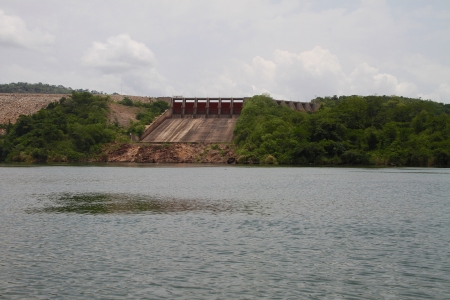
Development banks take a reductionist approach to hydropower; the critical counter-discourse calls for more nuance. These two discourses rarely cross paths, but a new paper in Global Environmental Change directly addresses both views from a critical scientific perspective.
In order to understand how women participate in water governance, it is crucial to identify and then challenge our assumptions about women's involvement with both formal and informal community-based resource governance systems. This "Science on the pulse" draws on recent literature to clarify the challenges and consider new directions in women's participation in water governance.
Acquatic biomonitoring is a powerful tool for assessing the health of river systems. On a recent trip to Myanmar, IWMI researchers explored the viability of biomonitoring for evaluating the health of the Ayeyarwady and Thanlwin rivers.
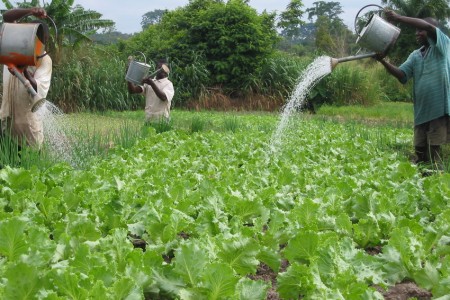
Agriculture has changed significantly in the last few decades, making farmers' lives easier and allowing massive increases in production. However, these changes have come at environmental and social costs: collaborating directly with farmers must be a prerequisite for sustainable intensification.
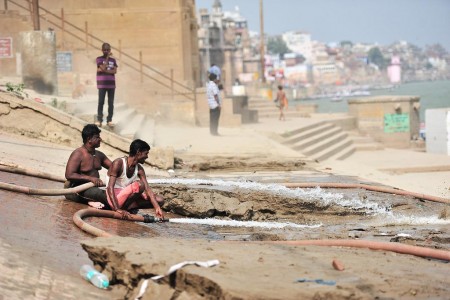
Abating the huge urban and industrial pollution loads that the Ganga receives each day will require strong political will and billions of dollars. But will this be enough?
When resettlement of villagers is planned and carried out, local power dynamics and relationships can have a huge effect on the outcome and lived experiences and perceptions of resettled individuals.
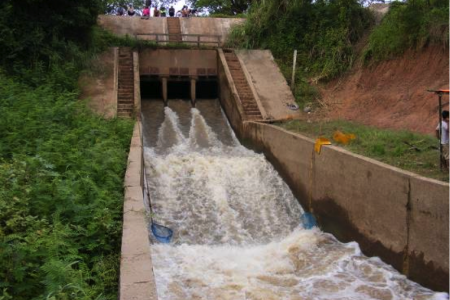
With the current drought in Southeast Asia, downstream Mekong countries are concerned that their water is being held up by large mainstream dams in China and Laos. There are, however, hundreds of small dams on Mekong tributaries, and the cumulative effect of these cannot be ignored.
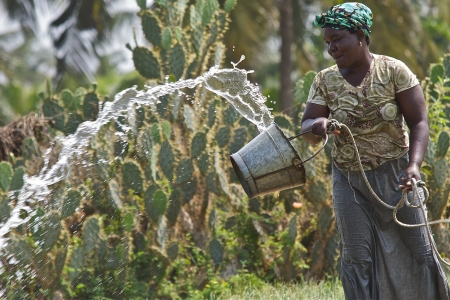
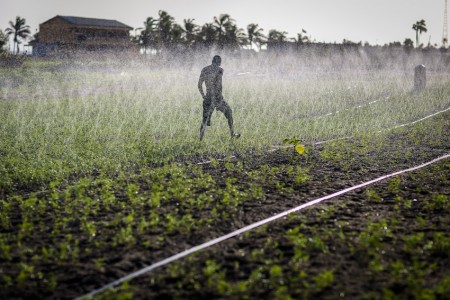
Sub Saharan Africa is facing a food crisis due to drought. In the face of water and climate uncertainty, is groundwater irrigation the key to ensuring food security in the region?
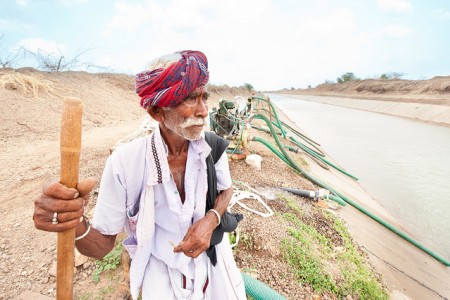
Last year, India’s Ministry of Water Resources, launched a new program called Jal Kranti Abhiyan to improve water access to villages across India, their main objective being to strengthen grassroots involvement and promote at the village-level, the adoption of both traditional and modern practices for water resource conservation.
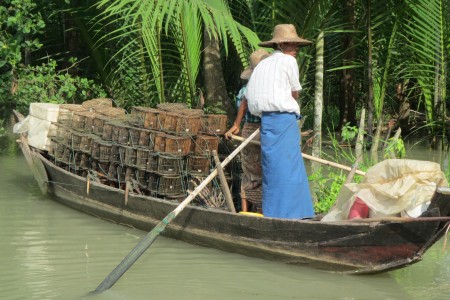
What is the link between jobs and water? That may be obvious to those who work in utilities or build water infrastructure, but these sectors represent only a fraction of the jobs that water actually supports.