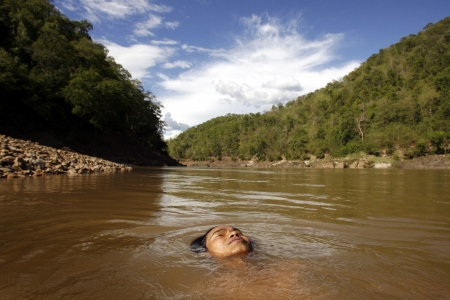
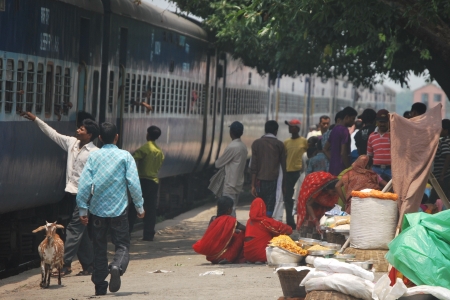
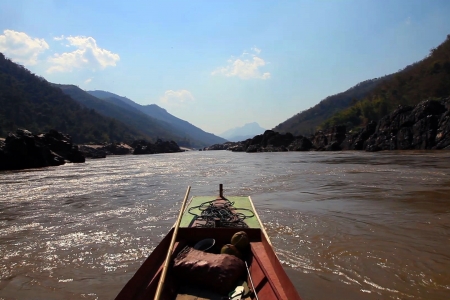
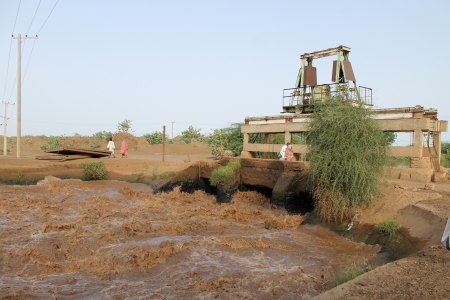
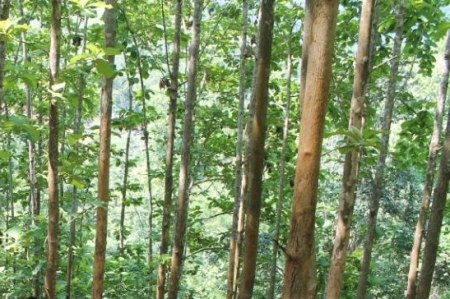
The Salween is richly biodiverse and straddles several international borders; as of yet, it is Asia's last un-dammed river. The pressures of globalization and the promise of economic growth have made damming the Salween an attractive option to some, but such a decision would have wide-reaching consequences.
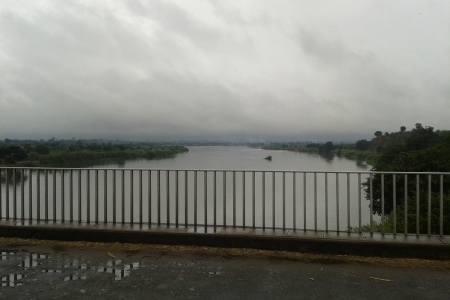
In June, WLE-Mekong published a series of maps identifying a massive range of dams across the major rivers of the Greater Mekong Subregion. In this interview excerpt, the first in a series of two, WLE-Mekong's Kim Geheb points out hot spots and opportunities arising from these maps.
Basin-level transboundary water management agreements are the norm, especially in Africa and Asia. However, new research suggests that the most actionable and impactful water management treaties may be taking place at smaller scales.
Ecosystem services and manmade "grey" infrastructure need not be in conflict: in fact, sustainable development requires them to work together. This story from the Xe Bang Fai river in Laos demonstrates potential opportunities for synergy between built and "green" infrastructure.
Wastewater recovery is a hot topic, but there's much more work to be done. This dispatch from SWWW identifies some of the strategies that can help mainstream wastewater recovery and make it a globally implemented and universally accepted practice.
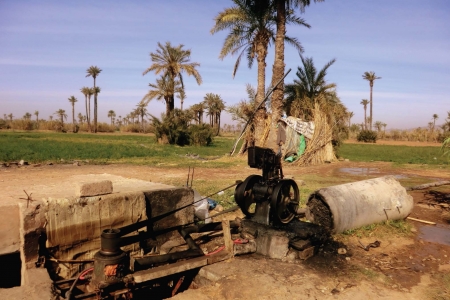
At Stockholm World Water Week, IWMI rolled out the GRIPP initiative, a worldwide partnership for facilitating sustainable groundwater management. This piece highlights one of GRIPP's projects, which examines the use of aquifer contracts in Morocco.
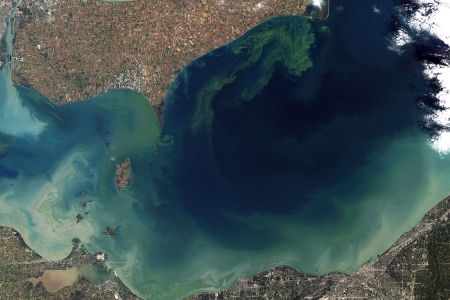
It's cheaper to mine phosphorus than it is to recycle it: as a result there has been little incentive to reclaim phosphorus, despite its disastrous environmental effects. A new paper in Evironmental Science & Technology makes a new case for the recovery and reuse of phosphorus.
Right this second, more than a billion people are migrants. Their challenges are well-documented, but what about those who stay behind? How can they access water?
It is impossible to view any one of the Sustainable Development Goals as an isolated issue. The Water-Energy-Food Nexus platform takes an integrative approach, considering how water intersects with other potential challenges.
Although the total number of water-insecure countries in Asia has reduced from 38 to 29 in the last five years, water demand is going to increase by 100 percent by 2050. A new report from the Asian Development Bank, presented this week in Stockholm, outlines the implications.
The average farmer has forty years' worth of planting seasons: forty chances to improve on his or her last harvest. If farmers cannot access the finance necessary to purchase irrigation systems, that number begins to shrink.
A recent research publication covering two similar catchments in upland Laos and upland Vietnam found a striking different hydrological situation in each place. What accounts for the difference, and what are the implications for forest management policy?