The recommendations outlined in this post were shared with India's Finance Minister during pre-budget consultations. The budget speech earmarked ~ USD 67 million for a new scheme to promote solar-power driven agricultural pumps. How the scheme will be implemented will be clear in the coming days.
In 2009, businesses and farmers operating in Naivasha received a rude wake up call. Lake Naivasha almost dried up. In a basin that supports over 60% of Kenya’s flower industry, accounting for over 1% of the country’s GDP, policy makers and businesses were quick to respond.
Of all the causes of the horrendous on-going civil war in Syria, the one that is least discussed is water. It may be a stretch to call the conflict a water war. But, as Brian Richter notes in his book Chasing Water, years of drought in Syria have "created a tinderbox for revolt" as wells run dry and food prices in local markets soar.
What if a virtually unlimited energy supply like the sun could be effectively combined with the planet’s seawater supply to help ease global water scarcity issues? In their recently published paper (open access until Sept 2014), Sood and Smakhtin of IWMI assert that using renewable energy to purify seawater could one day revolutionize desalination.
Groundwater is the mainstay of irrigated agriculture in India. Hundreds of millions of smallholders depend on it for their livelihoods. These livelihoods, however, face serious threats from rapidly falling water tables in large parts of the country. What do farmers do when the wells run dry?
If WLE is promoting a new paradigm, where sustainability of agro-ecosystems constitutes the entry point for all agricultural development, what does this mean to a natural resources manager?
To improve our resiliency to a shifting climate and extend our growing seasons, we must seriously consider not just pumping groundwater to the surface, as we have always done, but also storing today’s surface waters underground to ensure our water security for tomorrow.
As the CPWF comes to an end, it is appropriate to take stock and reflect on its ten-year legacy. For me, it is also a time to reflect on the personal transformation that I have undergone in my perceptions and views of CPWF since becoming familiar with the program and its activities.
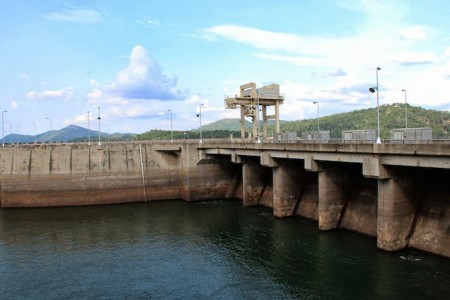
In the Mekong River Basin, hydropower has great potential to bring economic prosperity and electrification to many rural communities while meeting the growing power demands of urban centers. Which measures can we implement to prevent any one part of society from carrying the brunt of the costs, be they monetary, social, or environmental?
You may remember in 2003, 2007 and most recently in 2013 when Sudan was hit with devastating flash floods that displaced hundreds of thousands of people. This left hydrologists and remote sensing specialists, like myself, to wonder how we can better prepare and warn farmers of flood events.
“Should we build more large dams”. In celebration of World Water Day (March 22), we asked this to a number of different thought leaders to stimulate discussion and dialogue around this issue. We feature brief excerpts from each of our respondents but we also want to hear from you. Share your comments...