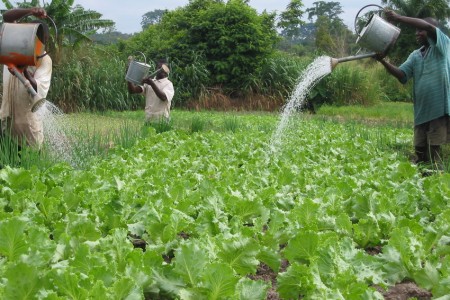
Agriculture has changed significantly in the last few decades, making farmers' lives easier and allowing massive increases in production. However, these changes have come at environmental and social costs: collaborating directly with farmers must be a prerequisite for sustainable intensification.
The Sustainable Development Goals (SDGs) encompass a vast set of development targets. A draft framework from the International Council for Science (ICSU) presents a concrete way to understand SDG interactions and the resulting trade-offs and synergies.
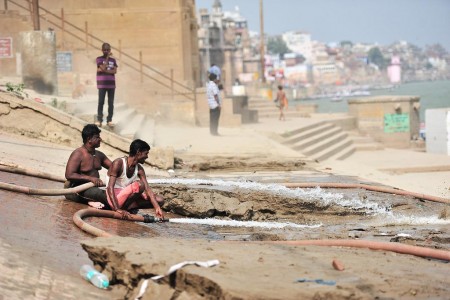
Abating the huge urban and industrial pollution loads that the Ganga receives each day will require strong political will and billions of dollars. But will this be enough?
Landscape restoration is in urgent need of private capital, as identified at the GLF—The Investment Case meeting in London. What are the barriers to business investment in landscape restoration, and how might organizations like CGIAR play a role in overcoming those barriers?
Interest in investing in sustainability is on the rise. With 2016 set to be the year of green finance according to some, potential investors and stakeholders are congregating at GLF this year to discuss opportunities. Here are some development initiatives they can invest in.
When development workers congregate to discuss solutions and innovations, there’s often one big elephant in the room: a lot of development projects don’t work. How can we avoid making such mistakes?
In recent years, carbon sequestration has gained tremendous momentum and national and international initiatives have been taken up. But as to exactly how much of this carbon can be mopped up through sequestration is up to debate.
Global food and development policies are increasingly being supported by crop models, but current modelling approaches are unfit for this purpose. The models in use, many of which were developed in the 1970s and 1980s for high-input monoculture systems, ignore critically important aspects of sustainable agriculture.
When resettlement of villagers is planned and carried out, local power dynamics and relationships can have a huge effect on the outcome and lived experiences and perceptions of resettled individuals.
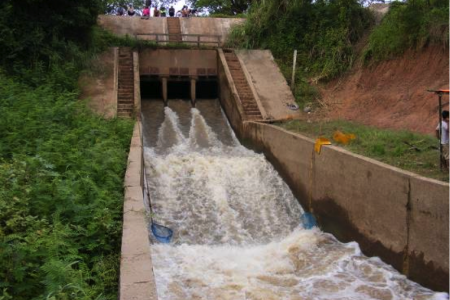
With the current drought in Southeast Asia, downstream Mekong countries are concerned that their water is being held up by large mainstream dams in China and Laos. There are, however, hundreds of small dams on Mekong tributaries, and the cumulative effect of these cannot be ignored.
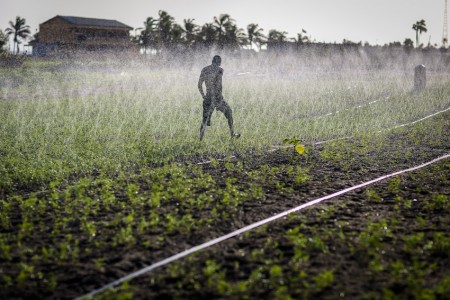
Sub Saharan Africa is facing a food crisis due to drought. In the face of water and climate uncertainty, is groundwater irrigation the key to ensuring food security in the region?