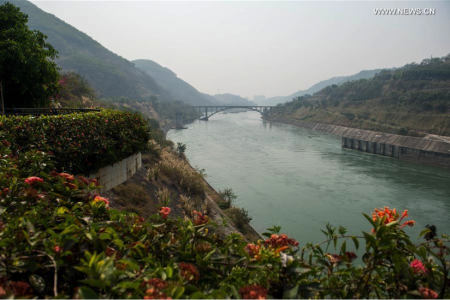
China has agreed to increase the outflow of water from the Jinghong Hydropower Station to the Mekong River to cope with drought and salt intrusion in the lower basin. What are the implications, and how do we make this kind of trans-boundary water sharing sustainable?
What do we all know about climate change, beyond the fact that the world is warming, the wet areas are getting wetter and dry areas drier? With scientists telling us that the trend is bound to worsen - what are we to make of a new study saying that this is all wrong?
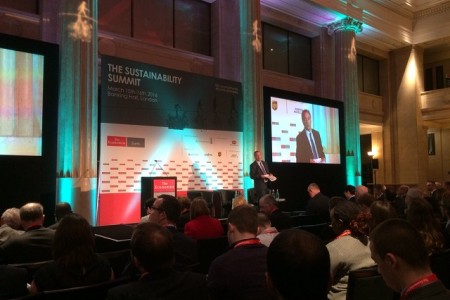
The Economist Events’ recent Sustainability Summit opened with a strong argument: “There will be no jobs on a dead planet.” If for no other reason, that’s why businesses need to act on sustainability – their existence depends on it.
Translating research-derived technologies into impact on the ground can be a challenge. Especially when technologies come from on-station trials or small pilot areas, it is often unclear how they will perform under ‘real-world’ farm conditions.
People need food, but just increasing agricultural yields in an effort to "feed the world" can be harmful to people and the environment. What needs to happen to make food security more holistic and sustainable?
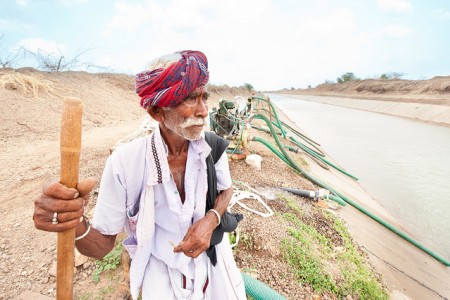
Last year, India’s Ministry of Water Resources, launched a new program called Jal Kranti Abhiyan to improve water access to villages across India, their main objective being to strengthen grassroots involvement and promote at the village-level, the adoption of both traditional and modern practices for water resource conservation.
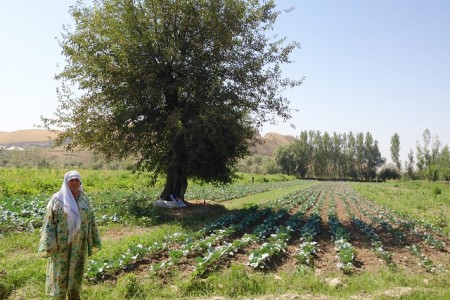
Women in Tajikistan have always been actively engaged in agriculture, however, they have increasingly taken on new tasks in the sector, including becoming farm managers, in response to few off-farm employment opportunities and high rates of male labour migration.
What is the link between jobs and water? That may be obvious to those who work in utilities or build water infrastructure, but these sectors represent only a fraction of the jobs that water actually supports.
Upstream communities in the Cañete basin in Peru are maintaining ecosystems to help communities downstream have enough water for industry and livelihoods. Ironically, they are having trouble with their own water and labor security.
Every other week we read of a new water pollution scandal, often after people fall sick, but sometimes because of large-scale fish die off or other adverse environmental impacts. Can we turn the tide of growing water pollution around?
The global economy is under pressure from the planet. The effects are felt by all businesses, but most by those whose supply chains depend on water, land and ecosystems.