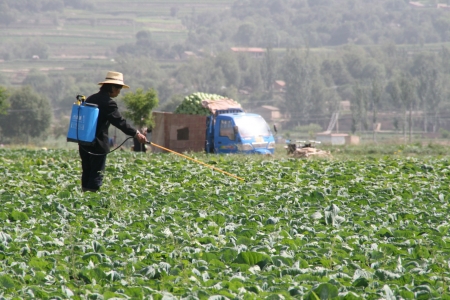
Irrigated agriculture can contribute to lasting deterioration of groundwater quality, preventing its use for drinking and endangering ecosystems and bio-diversity. If we're going to get global agriculture right, we'll need to promote good groundwater governance.
How can the private sector help with fecal sludge management and resource recycling from this waste product? Initially published on the World Bank's Water Blog, this post looks at how business opportunities could make sanitation more sustainable.
Did you receive roses for Valentine's Day? If so, they may have come from the Kenya, the 4th largest supplier of cut flowers in the world. Originally from the CIAT Blog, this piece looks at work done in the Tana Basin to ensure good management of land and water resources make sure this industry can continue.
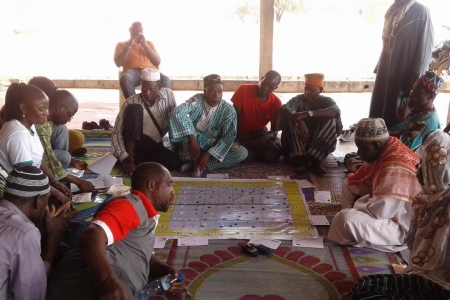
A study in rural Nigeria underscores the importance of direct experience and local context in shaping people’s awareness of ecosystem services. Likewise, there are immediate entry points for government extension services to simultaneously increase human well-being and conservation outcomes.
There is certainly evidence to suggest that wetlands can help reduce the negative impact of some natural disasters. However, wetlands cannot be treated as a disaster mitigation cure-all: they should be considered as one piece of a context-specific puzzle.
China's Agriculture Investment Bank plans to inject USD $450 billion into agriculture over the next four years. If this colossal investment is put towards projects that rely on the current agroecological research, it could spur an environmentally sustainable future for Chinese farmers.
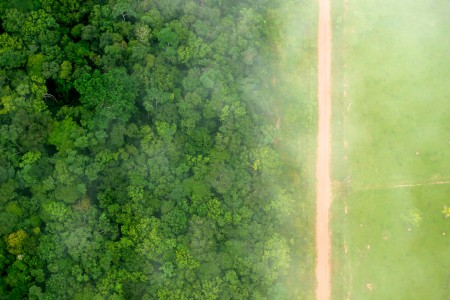
On a global scale, the EU's consumption of agricultural products is perhaps the single largest driver of deforestation. This may change, with the EU's new Action Plan on Deforestation, but whether or not this plan will protect the livelihoods of smallholder farmers remains to be seen.
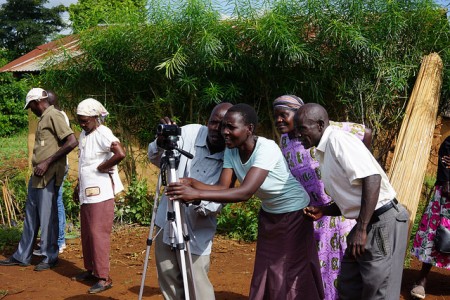
Part of CIAT's work with WLE shows that farmers and their networks are invaluable to understanding and addressing the issues that face the ecosystems on which we all depend.
December 18th was International Migrants Day. IWMI and WLE are working on migration issues in Asia and are holding a out-migration dialogue in China. Here is a photo story of male out-migration and its effects on agriculture.
Faced with the pressure of finding new ways to feed its massive population, China has decided invested $450 billion into farming. While the exact uses of this cash injection remain mysterious, the move represents a massive shift back towards domestic food production.
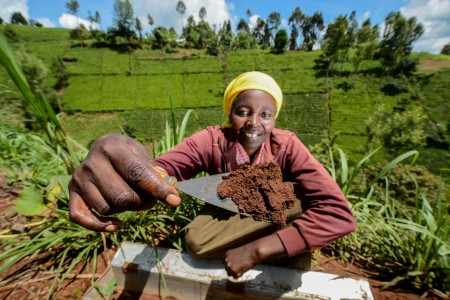
December 5th is World Soil Day. Rising temperatures are triggering carbon loss in areas with high carbon stocks. CIAT is looking at how to reverse this and how soils can even help sequester more carbon from the atmosphere.