Many large programs have failed to effectively clean this sacred but highly polluted river. One overlooked opportunity is to tackle septage and focal sludge pollution from smaller cities. WLE offers sustainable and cost-effective solutions.
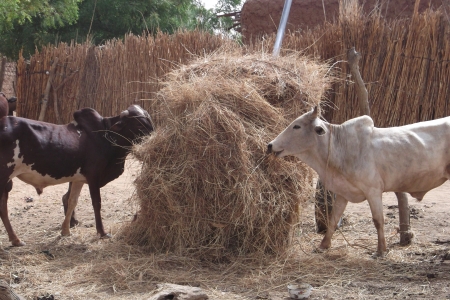
People in poor, rural communities in the Sahel often have to make difficult decisions about how they use their limited land, financial and natural resources. Perhaps there is a better way to sustainably source livestock fodder from resilient ecosystems.
UN-Water has designated 2017 as the year of Wastewater and is releasing a report on World Water day, United Nations World Water Development Report 2017: Wastewater/The Untapped Resource. WLE/IWMI and FAO have co-authored a chapter on the risks and opportunities of using wastewater for agriculture.
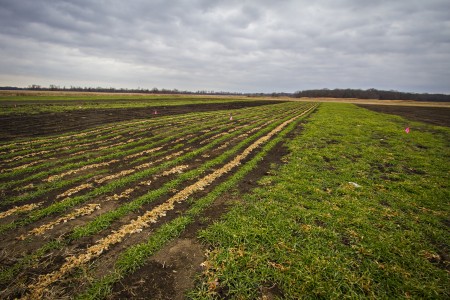
Agriculture is the single greatest driver of biodiversity loss through habitat destruction. Precision agriculture could turn this trend around by maximizing production on the smallest possible parcels of land.
Businesses are becoming greener to attract consumers, but for some businesses that rely on natural resources to survive, becoming more environmentally friendly is not just a marketing ploy - it is a necessity.
New studies released by CIAT and partners show that, given the vast amount of carbon stored our soils, small management changes could have tremendous impacts, offsetting greenhouse gas emissions.
Shared risks of natural and infrastructural disaster across the water, food and energy sectors are seldom recognized until after it's too late. Is there a way to develop solutions before disaster strikes?
In rural settings, women are not typically seen as political activists or public figures involved in front-line negotiations. Yet, a new CGIAR study shows they help resolve potential conflicts around land and water use.
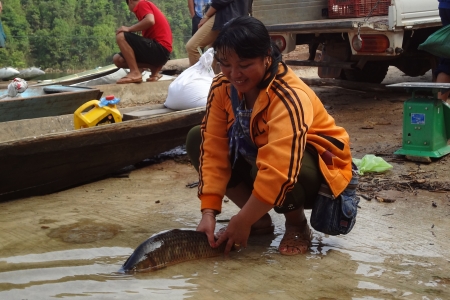
Resettlement schemes are meant to improve the lives of those who are resettled, but sometimes this change brings about livelihood problems for relocated villagers. Considering the gender dynamics of the groups being relocated may help.
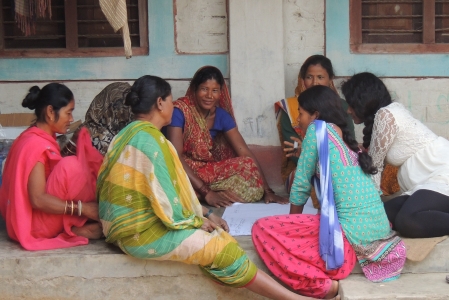
Gender dynamics are deeply rooted in value systems, history and social practices. A new participatory training helps communities unpack the root of these dynamics in order to improve understanding and encourage dialogue.









/index.png?itok=JTMnfSMy "nireka weeratunge")


