Dr. Petra Schmitter at the International Water Management Institute (IWMI) and WLE leads a pilot project that could revolutionize farming in Myanmar's Central Dry Zone, one of the most food-insecure regions in the country.
Our partners at the International Food Policy Research Institute (IFPRI) have contributed to a new paper published in Science that shows that increasing irrigation efficiency through irrigation technologies alone is failing to reduce water consumption and, paradoxically, may even be making water scarcity worse.
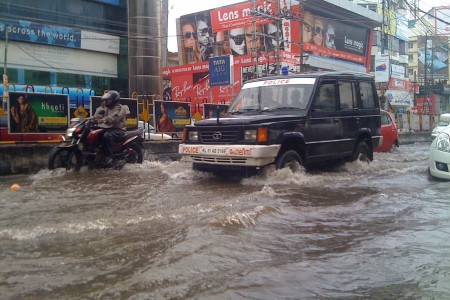
As severe floods hit India’s Kerala state, satellite maps produced by IWMI and WLE are supporting the state government’s relief efforts by helping to estimate water inundation.
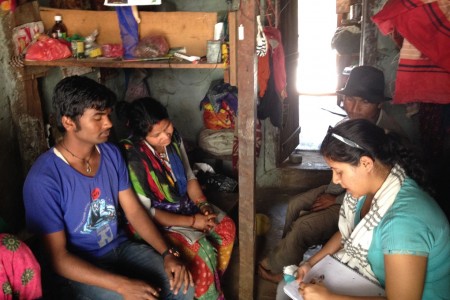
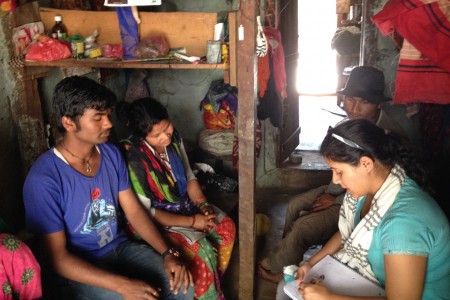
A trip along the Karnali river, where a major hydro electric project is planned, shows how different communities are impacted, as well as who can negotiate and who cannot. By Emma Karki, Diana Suhardiman, Patrick Drown, and Claire Swingle.
A trip along the Karnali river, where a major hydro electric project is planned, showcases how different communities are impacted, and who can negotiate, and who cannot.
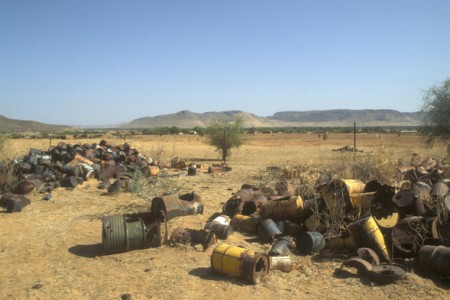
WLE contributed to a new report by the FAO and IWMI showing water pollution from unsustainable agricultural practices poses a serious risk to human health and the planet's ecosystems, a problem often underestimated by policy-makers and farmers.
A hydropower dam failure in Southern Laos has destroyed villages and left many homeless or dead. WLE and IWMI researchers are offering assistance to the flood relief efforts.
By Claudia Sadoff for the Telegraph. Malaria research is currently focused on new methods of genetic mosquito manipulation but the way large dams are currently built and designed creates massive mosquito breeding grounds, adding to the disease burden. Changing dam design is a significant and neglected area of opportunity.
If asked where their water comes from, a local might point to Sundarijal or to the water tankers hurtling down Kathmandu’s roads carrying loads from distant springs and wells. But where does the water in Sundarijal come from? And how do these springs and wells stay filled with water all year round?