Researchers collected groundwater from nine countries across sub-Sahara Africa to study how climate change, and particularly, changing rainfall patterns, will impact demand.
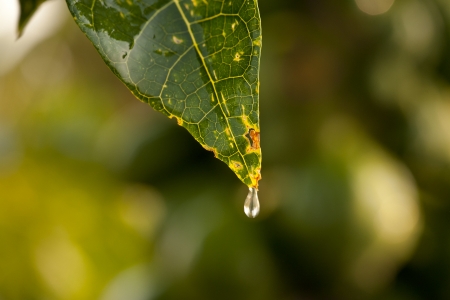
In sub-Saharan Africa, groundwater provides a reliable and consistent water source. A new report highlights the impact of climate change and variability on how groundwater is restocked.
More freshwater will probably be drawn from underground sources as climate change impacts water supplies above land in Africa. But how much of that water can be used sustainably?
Published in the Daily Maverick: About half of municipal wastewater and water treatment works across South Africa are in a poor or critical condition. Many need urgent rehabilitation, and 11% are dysfunctional. Over three million people still do not have access to a basic water supply service. Self-supply in partnership with government could be the answer.
Mali on the front-line of climate change, and expected to experience worsened food insecurity and even food shortages. Researchers have mapped areas in the country where there is a high potential for solar powered irrigation in increase climate resilience, showing that up to 69% of agricultural lands could be suitable.
The Ethiopian Ministry of Finance (MoF) has signed a tax reform bill that is slated to remove almost all duty tax on irrigation, mechanization and animal feed equipment and technologies. This decision was brought about, in part, based on recommendations made by IWMI and WLE.
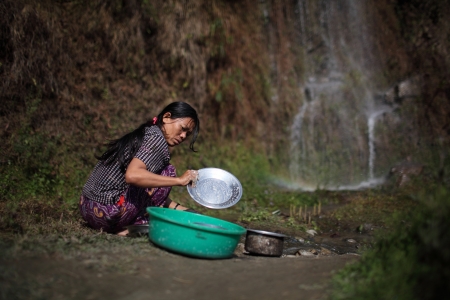
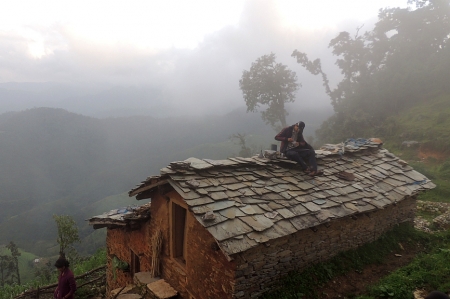
In the mountainous areas of Nepal, springs are the primary source of water for remote communities, serving as a mainstay of rural livelihoods. Springs are especially critical for dry-season agriculture because they can provide access to water stored in groundwater aquifers. The discharge from springs is declining, however, possibly as a result of population growth and changes in land use (including agricultural expansion and deforestation) and the climate. Recharging and sustaining groundwater aquifers is key for ensuring year-round water availability in connected springs and for reducing the reliance of upland communities on rainfall.
Can the world produce 10 billion healthy diets while transitioning agriculture from a source of degradation to one of restoration? Experts give insight at the EAT Food Forum on how best to take on this question, as WLE and EAT prepare the launch of the global Commission on Sustainable Intensification of Agriculture.
In mountainous areas of Nepal, springs are the primary source of water for remote communities, serving as a mainstay of rural livelihoods, but discharge from springs is declining. Recharging and sustaining groundwater aquifers is key for ensuring year-round water availability. IWMI researchers are using environmental isotopes analysis, hydro-meteorological and hydrogeological measurements to identify the dominant recharge zones for springs.
Countries would do well to consider this: our ability to preserve species hinges to a great extent on the actions we take to protect freshwater ecosystems. Safeguarding water for the environment is critical for biodiversity and for people.
Written by Petra Schmitter for the Daugherty Water for Food Global Institute at the University of Nebraska. Africa’s groundwater reserves are about 100 times greater than its annual supply of renewable surface freshwater. Yet, this resource remains underused. Under the pioneering Agwater Solutions Project, researchers estimated that investments in motorized pumps could significantly boost agricultural production and reduce climate change risks for smallholder farms.