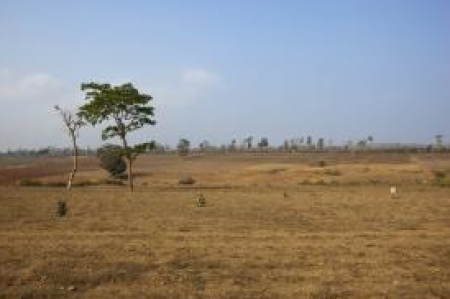
Land degradation is a widespread issue in Ethiopia. The Meja watershed in the Jeldu region is one such example, having experienced the confluence of extreme environmental degradation and marked changes in cultural and religious practices over the past decades.
Diversity in land use can support ecosystem services such as biological pest control and reduce the need for insecticides. How can such a system be applied in China where land is precious and the predominate focus has been on increasing productivity through use of insecticides and other chemicals.
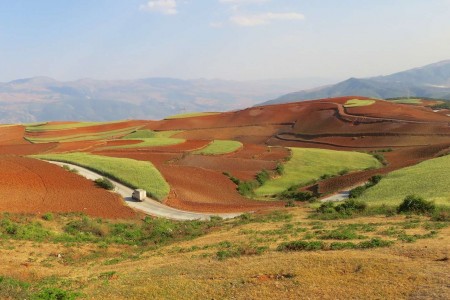
Pastoral land covers 400 million hectares of China, 41.7% of the entire country. Much of it is semi-arid and high plateau land where China’s ethnic minorities live, traditionally using the land to produce meat, fur, wool and cashmere. Over the past century, increasing pressure from human and livestock populations has resulted in 90% of the pastoral land being classified as degraded to some degree, especially in the more arid regions where ecosystems are the most fragile.
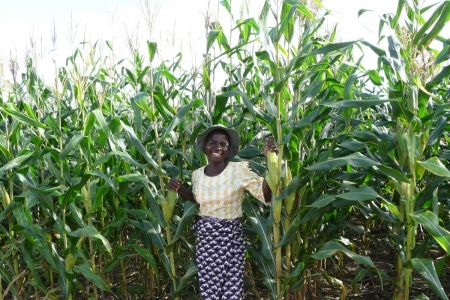
The Chinyanja Triangle has the potential to be a bread basket in southern Africa. Solutions exist but will take innovative technical work and buy in from tribal chiefs and local communities.
The Sri Lanka Water Resources Information System provides maps and data on water availability, quality and use, and is an archive of more than 700 water-related scientific papers that can be downloaded.
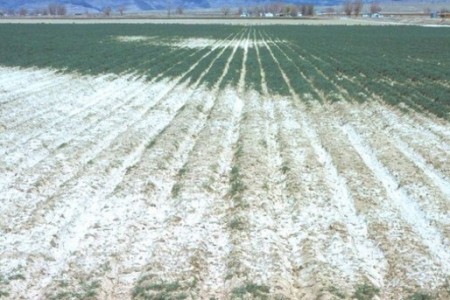
Around 2,000 hectares of agricultural land is lost each day due to the salinity in soil. Could breeding salt-tolerant crops be a new way to sustainable food?
Salt-spoiled soils worldwide: 20% of all irrigated lands — an area equal to size of France; Extensive costs include $27 billion+ in lost crop value / year. UNU study identifies ways to reverse damage, says every hectare needed to feed world’s fast-growing population.
Salt-spoiled soils worldwide: 20 percent of all irrigated lands -- an area equal to France; Extensive costs include $27 billion+ in lost crop value per year
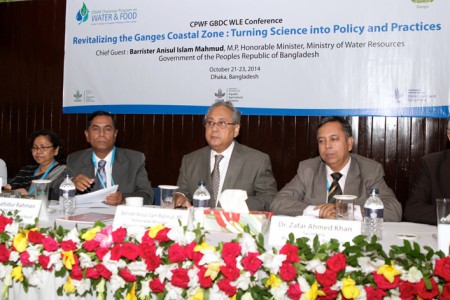
As the debate on the Sustainable Development Goals heats up with the G20 summit just around the corner, more than 200 researchers, extensionists, development practitioners, and policy makers convene in Dhaka on October 21-23, 2014 to share plans, progress and ideas for increasing resilience and unlocking the potential of the Ganges River basin’s coastal zone.

_0/index.jpg?itok=nWxBJw-1&c=d89d80991b07df1ba781c198ec5aac14)